Navigating Stubborn Stubble: Haryana Targets Zero Burning Amid Technological Push
Haryana administration intensifies enforcement and financial incentives to eliminate residual crop residue burning ahead of the winter pollution season. While absolute counts decline, agricultural authorities confront systemic resistance regarding alternative straw management economics.
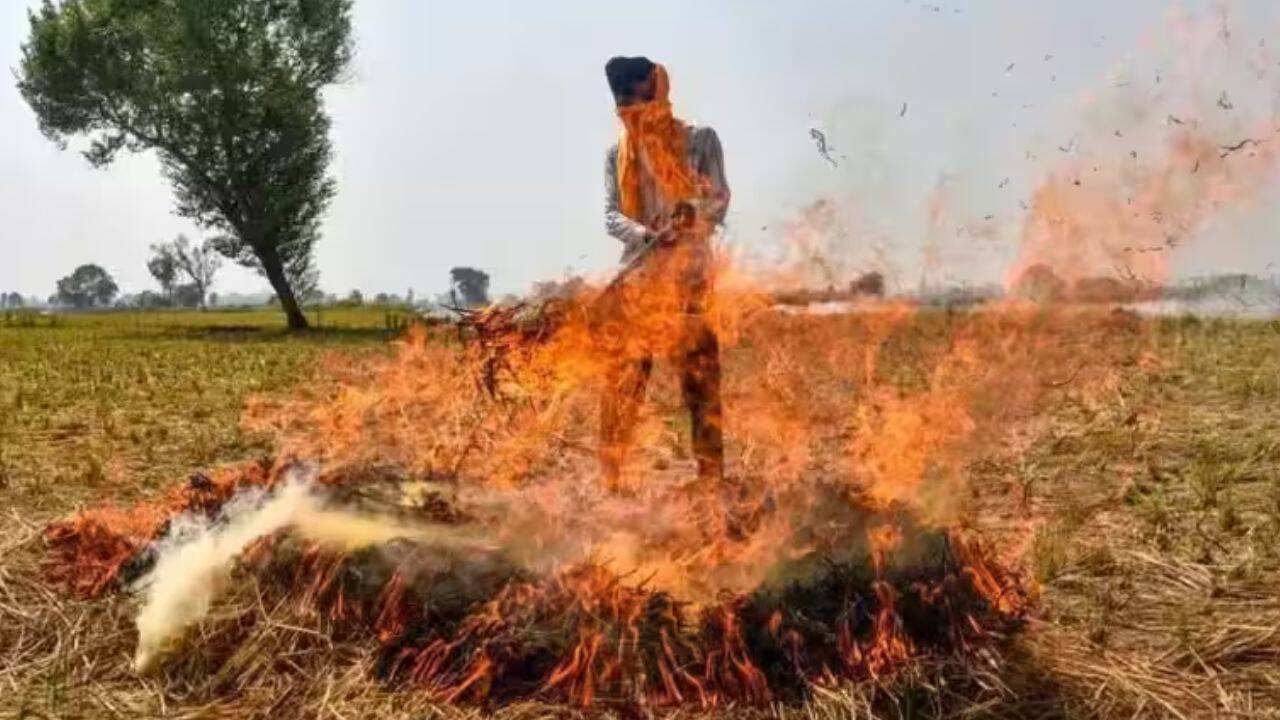
As autumn approaches the fertile plains of northern India, agricultural authorities in Haryana are locked in an annual race against seasonal air quality degradation. Official counts of farm fires have dropped significantly compared to previous decades, yet policymakers recognize that reaching an absolute zero-burning threshold remains an uphill battle. The economic calculus for marginal farmers heavily favors rapid manual burning over capital-intensive mechanical stubble incorporation. District agriculture departments are attempting to bridge this economic gap by subsidizing heavy machinery such as happy seeders and super seamers through cooperative societies. However, operational delays in machinery rentals and the high cost of diesel continue to strain smallholders who operate on razor-thin profit margins. Enforcement squads comprising local revenue officials and environmental inspectors maintain round-the-clock surveillance to deter illegal night burns. The systemic friction between national environmental mandates and rural livelihood economics defines the political economy of northern agriculture every autumn. When punitive measures are applied too harshly, rural resentment swells, complicating broader cooperative efforts between state agencies and farming unions. Achieving permanent eradication of crop residue burning requires long-term market creation for biomass briquettes and industrial cellulosic ethanol feedstock.
Comments 0