Nepal Bans Priyagold Biscuit After FSSAI Cites Hygiene Lapses
The Food Technology and Quality Control Department of Nepal has prohibited the sale of Priyagold biscuits following a finding of serious hygiene deficiencies. The ban underscores cross‑border regulatory challenges and consumer‑safety concerns in the region.
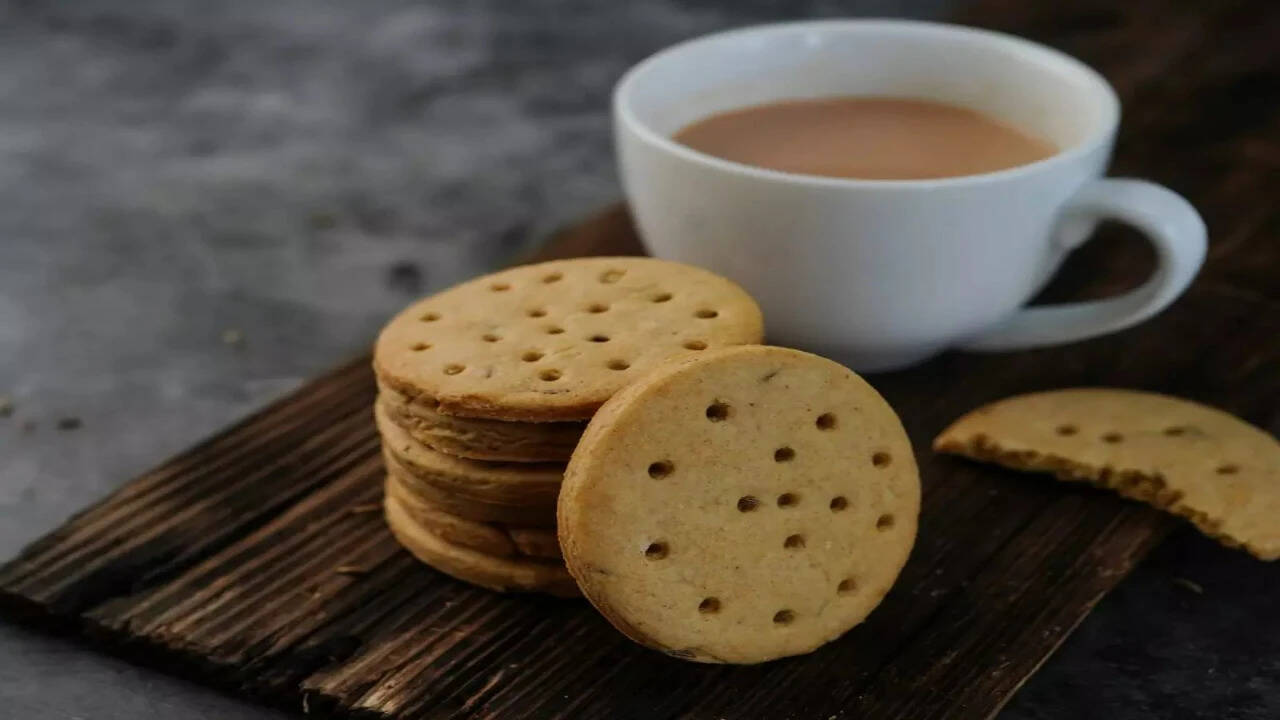
Following an inspection by Nepal’s Food Technology and Quality Control Department, the popular Priyagold biscuit brand was found to have significant lapses in manufacturing hygiene, prompting authorities to issue an immediate ban on its distribution within the country. The inspection report highlighted contamination risks and non‑compliance with established food‑safety standards, leading regulators to act decisively to protect public health. Retailers were instructed to remove the product from shelves, and importers faced heightened scrutiny.
The incident reflects broader tensions in the South Asian food‑trade ecosystem, where differing regulatory frameworks can create friction for manufacturers operating across borders. Indian producers, who supply a substantial portion of Nepal’s processed food market, now confront the prospect of tighter inspections and potential trade barriers. Consumer advocacy groups have called for harmonized standards to ensure consistent safety measures, while industry bodies argue that abrupt bans can disrupt supply chains and affect livelihoods.
The downstream effect includes a short‑term shortage of the affected biscuit brand in Nepali markets, prompting consumers to turn to alternative products. The ban may also incentivize manufacturers to upgrade their production facilities to meet stricter hygiene criteria, potentially raising costs that could be passed on to buyers. In the longer term, the episode could catalyze bilateral discussions on food‑safety alignment, fostering more robust regulatory cooperation between Nepal and its trading partners.
Comments 0