Netanyahu's Parliamentary Address Interrupted by Domestic Friction
Sara Netanyahu's heated exchange with Naftali Bennett during a parliamentary speech disrupted the prime minister's call for unity. The incident highlights the deepening internal divisions within the Israeli government and its impact on national cohesion.
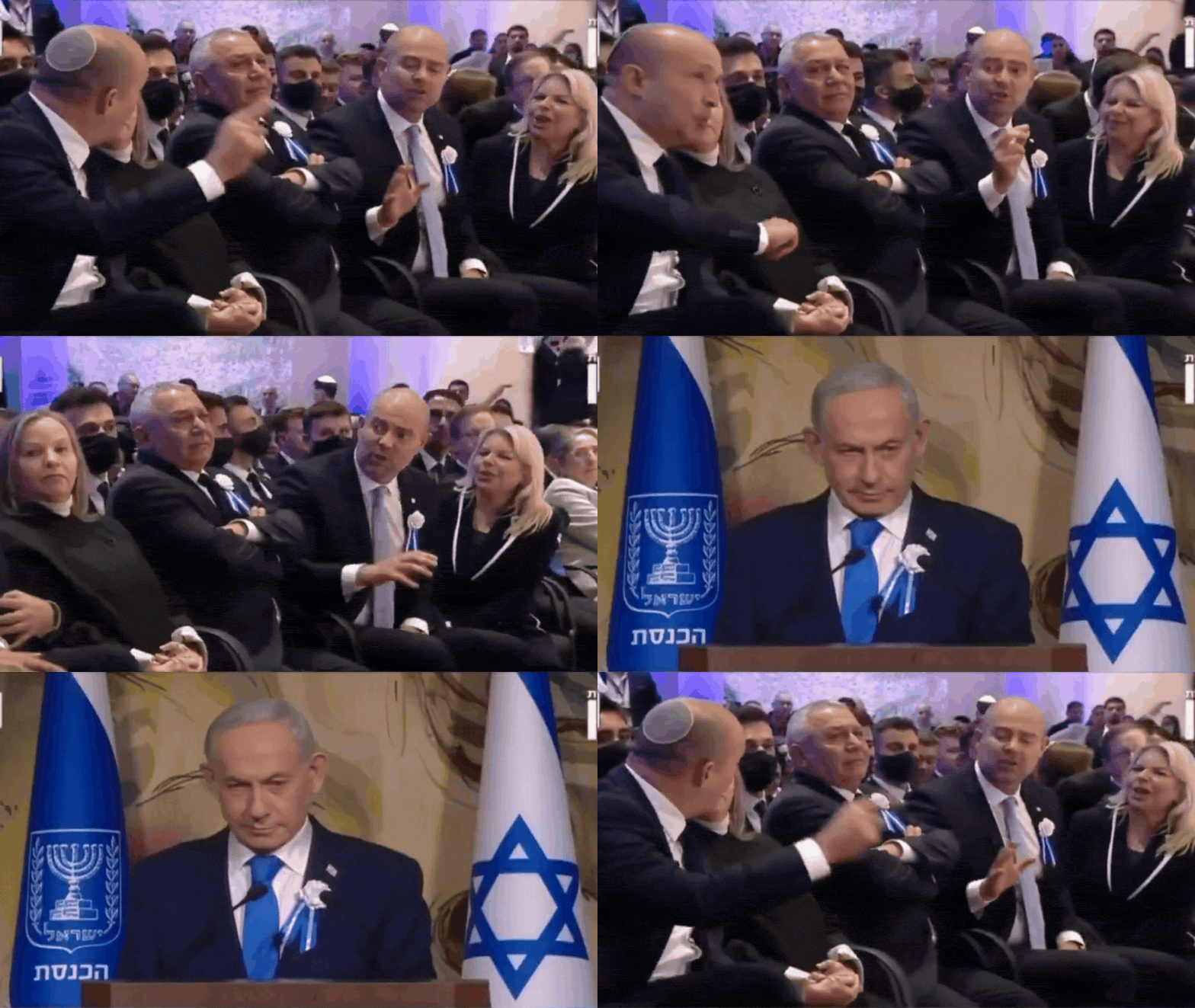
The public confrontation between Sara Netanyahu and Naftali Bennett during a parliamentary session is a stark illustration of the internal strife within the Israeli government. The interruption of the prime minister's speech, which was intended to promote unity, by a personal dispute underscores the fragility of the current political coalition. This incident is not merely a private spat but a public display of the tensions that have been simmering within the ruling bloc. It raises questions about the ability of the government to present a united front on national and international issues, a capability that is essential for maintaining stability and credibility.
The underlying tension is rooted in the ideological and personal differences between the key figures in the government. Bennett, as a rival politician, has long been critical of Netanyahu's leadership and policies. The involvement of Sara Netanyahu in the dispute suggests that the conflict has extended beyond the political sphere into the personal domain, further complicating the dynamics of the coalition. This friction is exacerbated by the high stakes of the current political environment, where every public appearance is scrutinized and every misstep is amplified by the media and opposition parties. The incident serves as a reminder of the human element in politics, where personal relationships can have a significant impact on public policy and governance.
The downstream consequence of this public discord is a potential erosion of public trust in the government and its leaders. Citizens may question the ability of the government to manage internal conflicts and focus on the broader national interests. This could lead to a decline in support for the ruling coalition, particularly among voters who value stability and unity. In the international arena, the incident may be used by critics to argue that the Israeli government is divided and ineffective, potentially weakening its negotiating position on key issues. The next twelve months will likely see an intensified focus on internal party dynamics, with the potential for further public confrontations that could shape the outcome of upcoming elections.
Comments 0