Netherlands Pushes to Scrap EU Gas Storage Mandate After Billion Dollar Fiscal Burden
The Dutch government is actively petitioning Brussels to dismantle mandatory winter gas storage quotas following an exorbitant expenditure of $1.14 billion. This financial strain exposes deep fractures in European Union energy solidarity as individual member states shoulder the prohibitive costs of centralized directives.
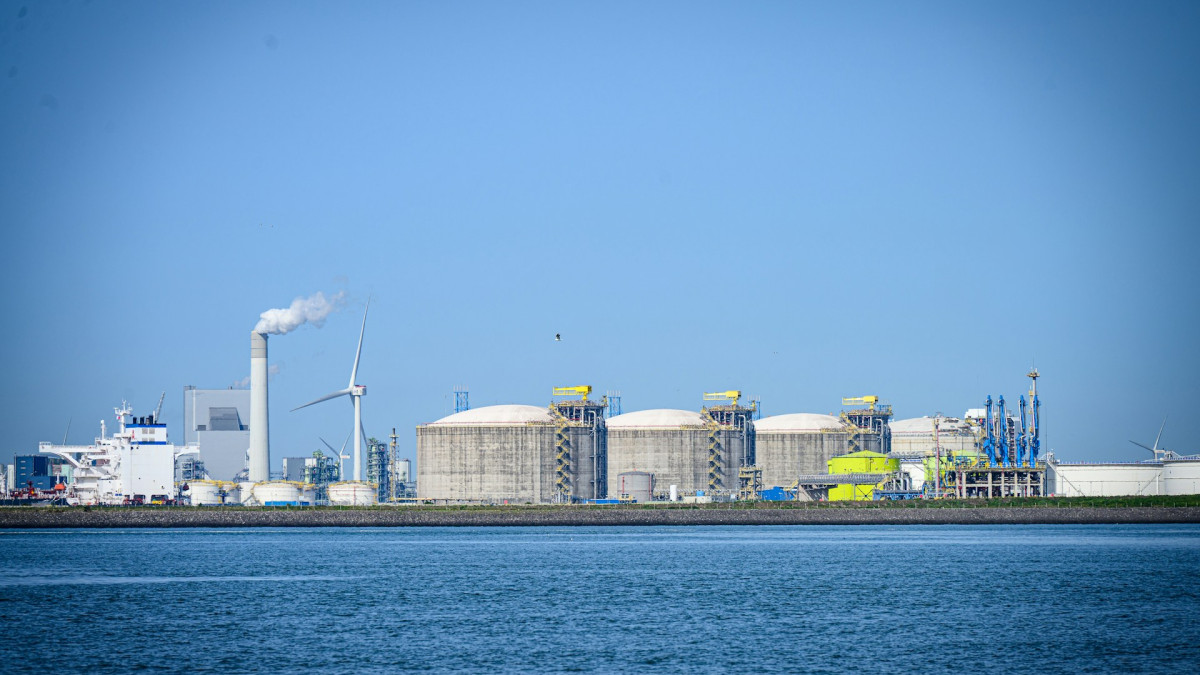
The fiscal reality of maintaining mandatory energy reserves has collided violently with national budgetary limits in The Hague. For consecutive seasons, European Union regulations compelled member states to fill underground storage facilities to capacity ahead of winter, regardless of fluctuating spot market prices or domestic consumption realities. By absorbing a staggering 1.14 billion dollar expenditure to meet these quotas, the Dutch treasury found itself subsidizing an EU-wide insurance policy that penalizes pragmatic fiscal management. At the heart of the confrontation lies a fundamental dispute over burden-sharing within the European single market. While Brussels views high storage levels as an indispensable shield against geopolitical supply shocks, frontline governments argue that the market mechanism has been distorted by bureaucratic overreach. Private energy firms, operating under strict mandate-driven price pressures, routinely refuse to absorb the financial risks of holding surplus inventory during high-cost periods, leaving state coffers to underwrite the deficit. The immediate consequence is a growing diplomatic schism within the energy council, where other import-dependent nations are quietly calculating their own mounting storage deficits. If The Hague succeeds in forcing a structural revision of the directive, European energy architecture will likely shift toward decentralized, voluntary reserves. Such a retreat from centralized supply security would leave individual capitals exposed to market volatility while fundamentally altering how the continent prepares for future thermal crises.
Comments 0