New Delhi Extends Emergency Grid Support to Flood-Ravaged Nepal
India has committed to exporting 654 megawatts of electrical power daily to Nepal through the end of December to stabilize its crippled grid. This cross-border energy transfer provides vital relief to disaster zones while cementing regional diplomatic influence.
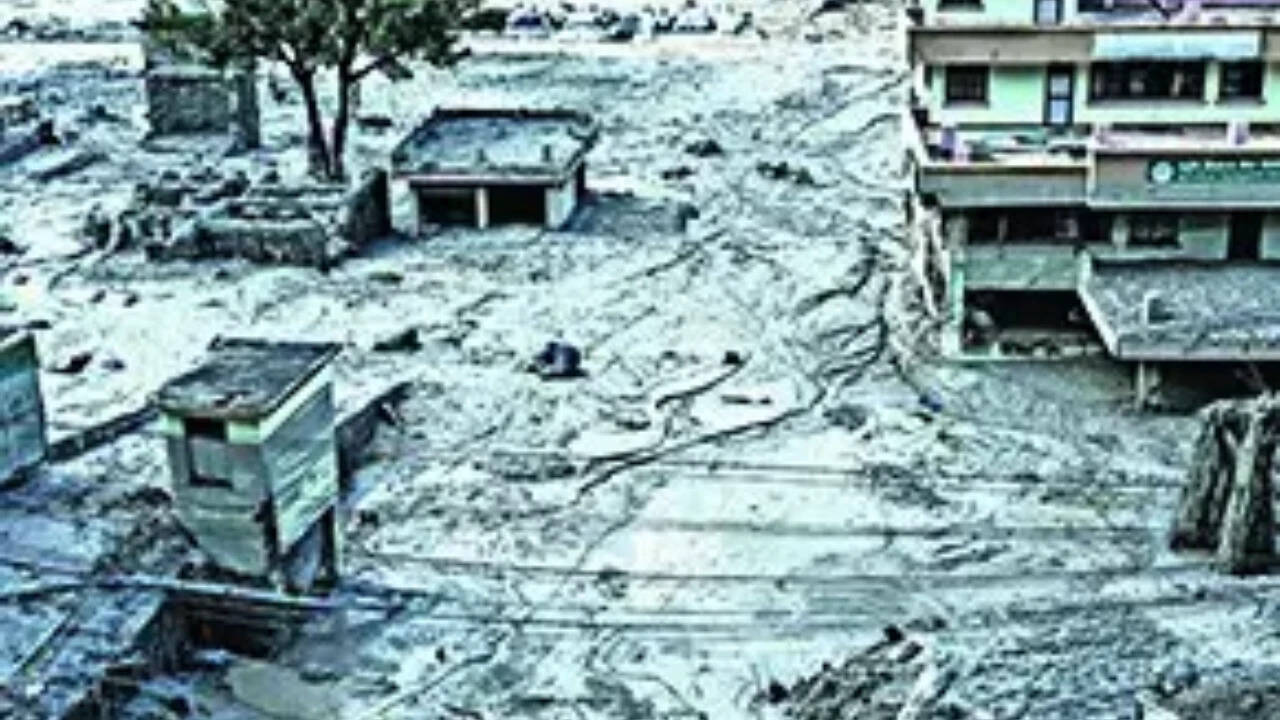
Monsoonal devastation across Himalayan river basins has systematically dismantled generation infrastructure within Nepal, plunging entire districts into structural darkness. In response to urgent bilateral appeals, Indian energy authorities initiated a continuous transmission corridor capable of delivering 654 megawatts daily. This logistical mobilization requires delicate frequency synchronization across mountainous topography, straining legacy transmission lines while demonstrating operational reliability under crisis conditions. Geopolitical calculus underpins this infrastructural rescue mission as regional powers compete for long-term influence over Himalayan water resources and energy corridors. Kathmandu relies heavily on external grid stability, creating a dynamic of dependency that alters regional diplomacy. Bureaucratic hurdles that traditionally delay cross-border power purchase agreements were bypassed through executive intervention, highlighting the urgency of immediate humanitarian stabilization. Beyond immediate loss prevention, this sustained energy infusion prevents secondary industrial collapses within urban manufacturing centers across Nepal. Families receive continuous power for heating and medical logistics, mitigating disease outbreaks in overcrowded relief camps. The commercial beneficiaries include Indian power generators securing state-backed export revenue, while the diplomatic dividend strengthens bilateral security frameworks.
Comments 0