New Delhi Pressures Moscow for Repatriation of Remaining Citizens in Russian Uniforms
Indian diplomatic officials have escalated pressure on Moscow to secure the immediate discharge of fifty-five Indian nationals trapped within military ranks. The bilateral dialogue targets illicit recruitment agencies operating domestically that prey on vulnerable youth with false employment promises.
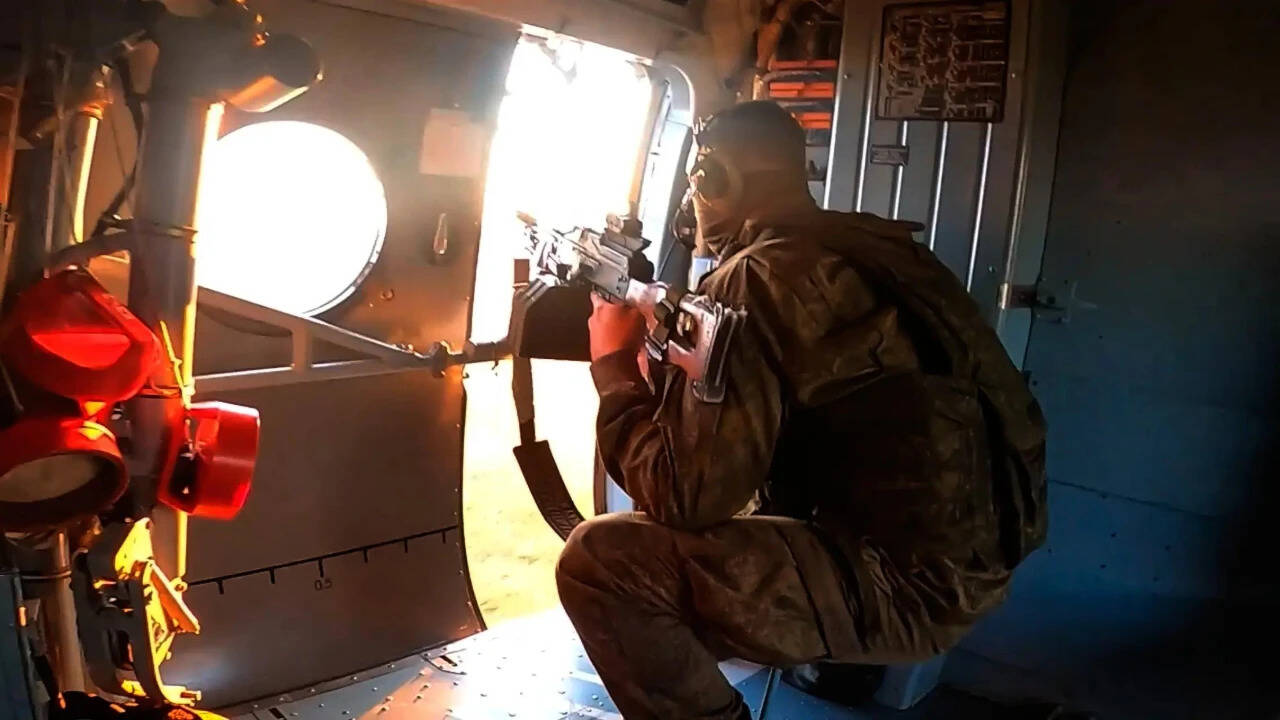
The Ministry of External Affairs has adopted an uncompromising posture during high-level diplomatic engagements with Russian authorities regarding citizens deployed in combat zones. Despite repeated appeals, dozens of young Indians remain bound to military contracts abroad under severe duress. New Delhi has demanded an expedited verification process and immediate repatriation protocols for every individual misled into service. At the center of this diplomatic friction lies a lucrative network of unauthorized human traffickers operating within various states. These agents utilize social media platforms and fraudulent visa schemes to promise lucrative administrative jobs overseas, only to divert unsuspecting travelers toward military training camps. Domestic law enforcement agencies have faced mounting criticism for failing to dismantle these syndicates before vulnerable citizens cross international borders. The human cost of this trafficking ring has forced New Delhi to leverage broader strategic partnerships to compel compliance from Moscow. Families of the trapped recruits continue to stage protests, demanding direct state intervention to secure their safe return. The resulting diplomatic friction highlights the severe challenges developing nations face in protecting migrant workers from transnational exploitation networks.
Comments 0