New Delhi Rejects Washington Rhetoric as Diplomatic Row Erupts Over Skilled Work Visas
India's Ministry of External Affairs issued a sharp rebuke condemning remarks made by United States Vice President JD Vance regarding H-1B visa holders. Officials defended the immense economic contributions of Indian technology professionals against characterizations of indentured servitude.
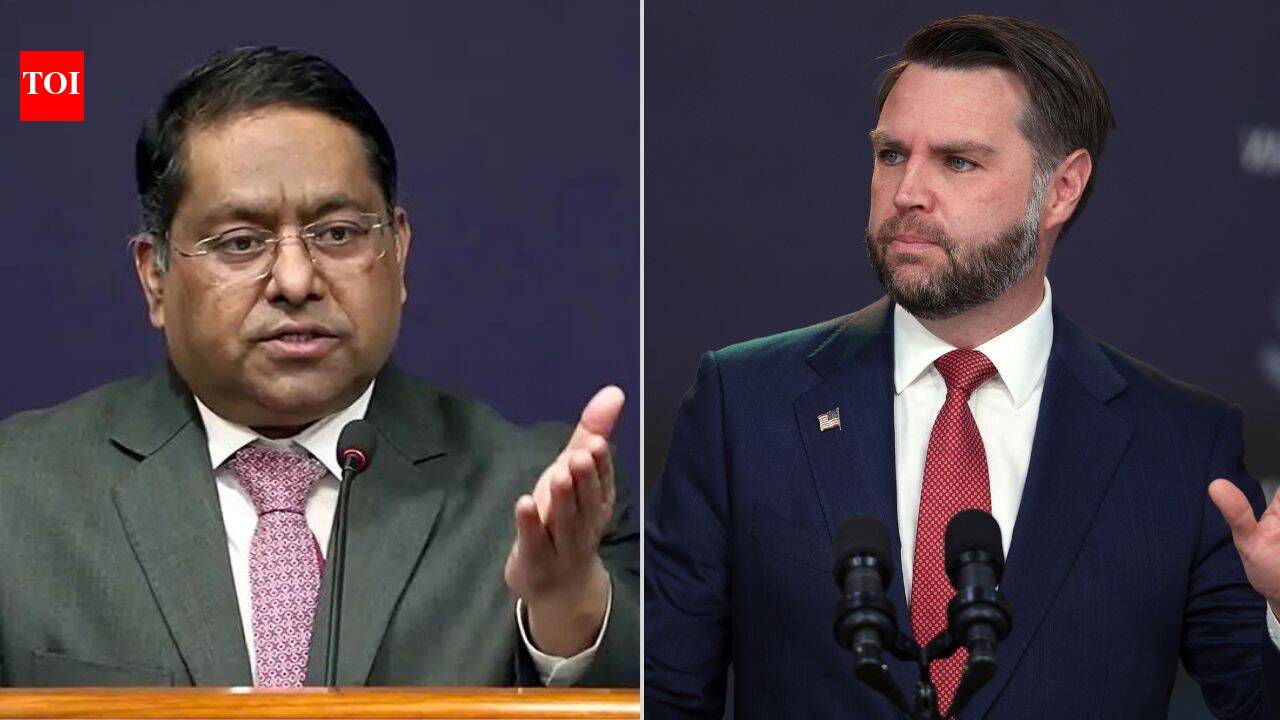
The diplomatic friction ignited when senior American political figures deployed inflammatory terminology to describe high-skilled foreign workers in the United States technology sector. New Delhi recognized the narrative assault as a direct challenge to the dignity and economic value of its expatriate workforce. Foreign service officials mobilized quickly to repudiate the characterization, emphasizing the integral role Indian engineers play in driving American corporate innovation. This rhetorical escalation lays bare the growing domestic anxiety within Western economies regarding immigration and labor market competition. For decades, the H-1B framework served as a bridge for bilateral technological cooperation between Washington and New Delhi. By injecting derogatory framing into the policy debate, political actors have transformed a technical visa discussion into a broader cultural confrontation over labor sovereignty. Downstream consequences threaten to complicate ongoing bilateral trade negotiations and talent mobility programs. Corporate leaders in Silicon Valley now face increased regulatory uncertainty regarding engineering recruitment pipelines from South Asia. The diplomatic fallout will likely compel Indian technology firms to accelerate domestic research investments to insulate themselves from foreign political volatility.
Comments 0