New Jersey Defies Federal Policy to Block Russian Diesel Imports
Governor Mikie Sherrill has issued a directive to port operators, effectively barring the unloading of Russian fuel in New Jersey. This state-level intervention creates a direct legal and logistical confrontation with federal energy policies, threatening to fragment the national supply chain.
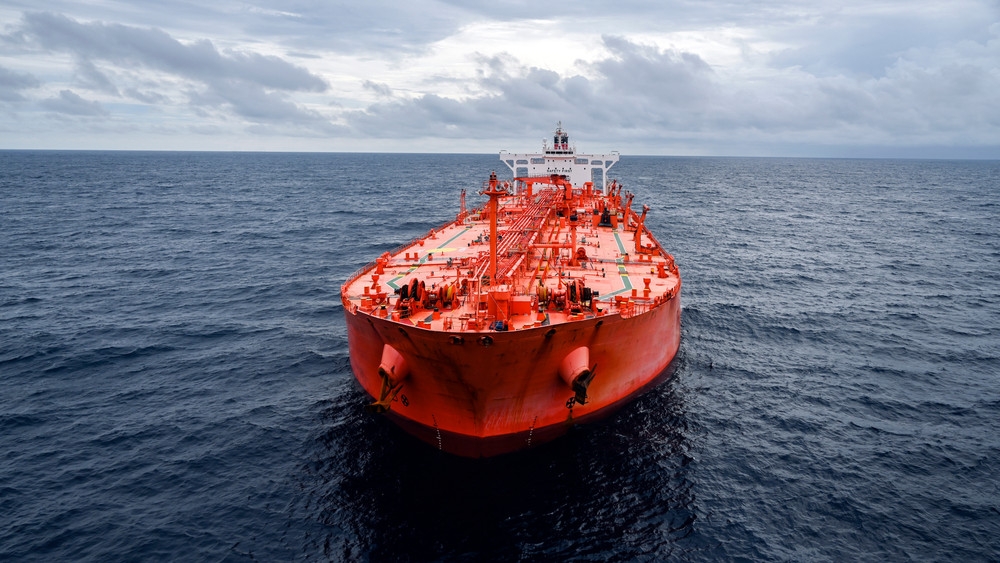
The political in the United States has witnessed a sharp rupture as New Jersey Governor Mikie Sherrill moved to block the import of Russian diesel. By warning port and terminal operators against purchasing or unloading the fuel, the governor has asserted state authority over a domain traditionally managed by federal agencies. This action is not merely a regulatory tweak but a bold assertion of state sovereignty in the face of federal directives that have sought to ease restrictions on Russian energy imports. The move places New Jersey at the forefront of a growing chorus of states that are unwilling to align with federal energy strategies, creating a patchwork of conflicting regulations that complicates the national energy market.
The underlying tension stems from a deep ideological divide over energy security and geopolitical alignment. While the federal government has pursued a strategy of diversifying energy sources, including the relaxation of sanctions on Russian oil, New Jersey and other states have prioritized environmental concerns and geopolitical solidarity. This friction is not just about fuel; it is about the balance of power between state and federal governments. The governor's decision reflects a broader trend of states taking independent action on issues where they perceive federal policy to be misaligned with local values or interests. This institutional friction is likely to intensify as more states consider similar measures, challenging the coherence of national energy policy.
The downstream consequences of this state-level blockade are significant. Port operators in New Jersey face legal and financial risks if they comply with the governor's directive, potentially leading to litigation and operational disruptions. The national supply chain for diesel may be affected, with fuel prices potentially rising in regions that rely on New Jersey's ports for distribution. This fragmentation of the energy market could have broader economic implications, affecting industries that depend on stable fuel costs. The move also sets a precedent for other states to take similar actions, potentially leading to a more decentralized and volatile energy in the United States.
Comments 0