No need to lift railway coaches: Greater Noida firm develops split brake disc to cut maintenance time
A firm based in Greater Noida has introduced a split brake disc design that reduces the time required for railway coach maintenance. The innovation promises to keep trains running without the need to lift each coach for brake servicing.
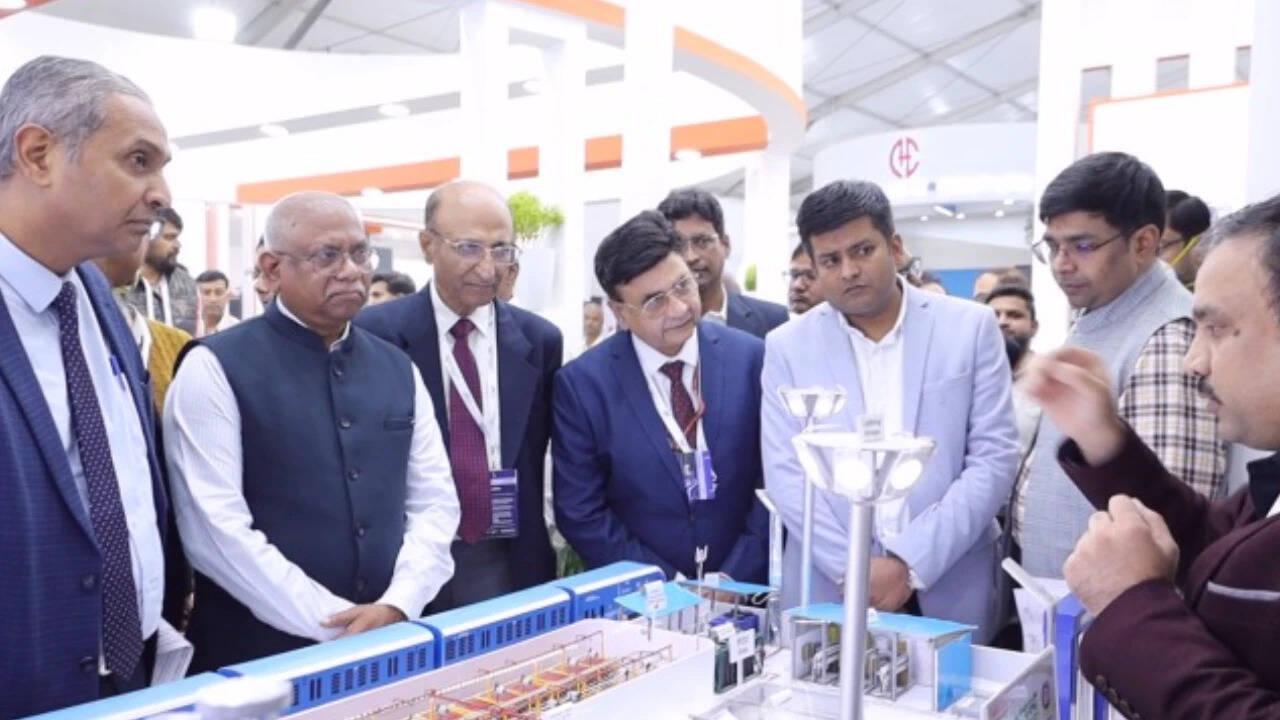
The new split brake disc consists of two interlocking halves that can be separated and reassembled without removing the entire wheel assembly. Engineers say the design allows maintenance crews to replace worn brake pads and inspect disc surfaces while the coach remains on the track, cutting down the usual downtime of several hours per coach. The company has conducted field trials on a busy commuter line, reporting a reduction in maintenance cycles by nearly half.
Railway officials welcomed the development, noting that faster maintenance can improve punctuality and reduce operational costs. The traditional method requires lifting each coach onto a maintenance pit, a process that involves heavy equipment, skilled labor, and significant scheduling constraints. By eliminating the lift, the split disc also reduces the risk of accidents associated with heavy lifting operations. The firm plans to certify the design with the national rail safety authority before rolling it out to other zones.
If adopted widely, the technology could have a noticeable impact on the efficiency of India's vast rail network, which carries millions of passengers daily. Faster turnaround times mean more train slots can be allocated, potentially easing congestion on heavily used routes. The innovation also aligns with the government's push for modernising railway infrastructure and adopting homegrown solutions that reduce dependence on imported parts. Stakeholders will be watching the certification process and any pilot deployments in the coming months.
Comments 0