No Rain, No Relief: Weather Chief Dashes Pollution-Hit Delhi's Hopes
The India Meteorological Department has ruled out significant rainfall in Delhi in the near term, leaving the city's severe air pollution crisis without a natural solution. Residents and officials are left to rely on artificial measures to combat the toxic haze that has settled over the capital.
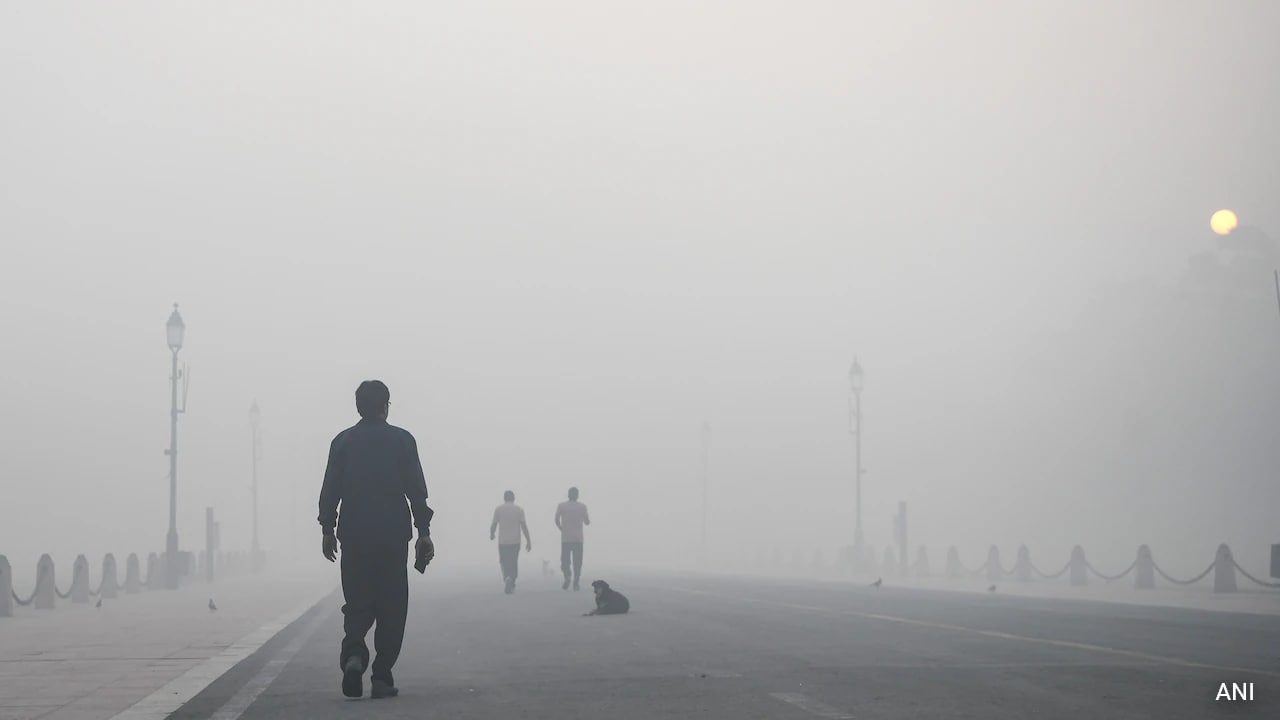
Delhi residents have been holding their breath, hoping that a much-needed rainfall would wash away the thick layer of smog that has enveloped the city. The air quality index has reached severe levels, causing respiratory distress for many and prompting health advisories. However, the India Meteorological Department has dashed these hopes by stating that rain is unlikely to fall over the plains in the coming days. While there is a possibility of precipitation in the Himalayan regions, the capital remains dry, meaning the toxic cloud will persist without natural intervention. This lack of rain exacerbates the health risks for millions of people living in and around Delhi.
The absence of rainfall forces authorities to rely on artificial methods to improve air quality, such as fogging operations and restrictions on industrial activity. These measures, while helpful, are often insufficient to counter the sheer volume of pollutants generated by vehicles, construction, and crop burning in neighboring states. The situation highlights the vulnerability of urban centers to climate variability and the limitations of emergency response strategies. Without a change in weather patterns, the city faces a prolonged period of poor air quality, which can have long-term health consequences for its population.
For readers in India, this situation is a critical reminder of the environmental challenges facing major urban centers. The severe pollution in Delhi is not an isolated incident but part of a broader pattern affecting cities across the country. It underscores the urgent need for sustainable urban planning, stricter enforcement of environmental regulations, and investment in clean energy. The health implications are significant, particularly for vulnerable groups such as children, the elderly, and those with pre-existing respiratory conditions. This event serves as a call to action for both policymakers and citizens to prioritize environmental health and seek long-term solutions to air pollution.
Comments 0