Nvidia Chief Steps Down Amid Alleged Spy Scandal
Jensen Huang's resignation sends shockwaves through the global semiconductor sector. The immediate fallout includes a sharp dip in Nvidia's share price and heightened scrutiny of corporate governance in high‑tech firms.
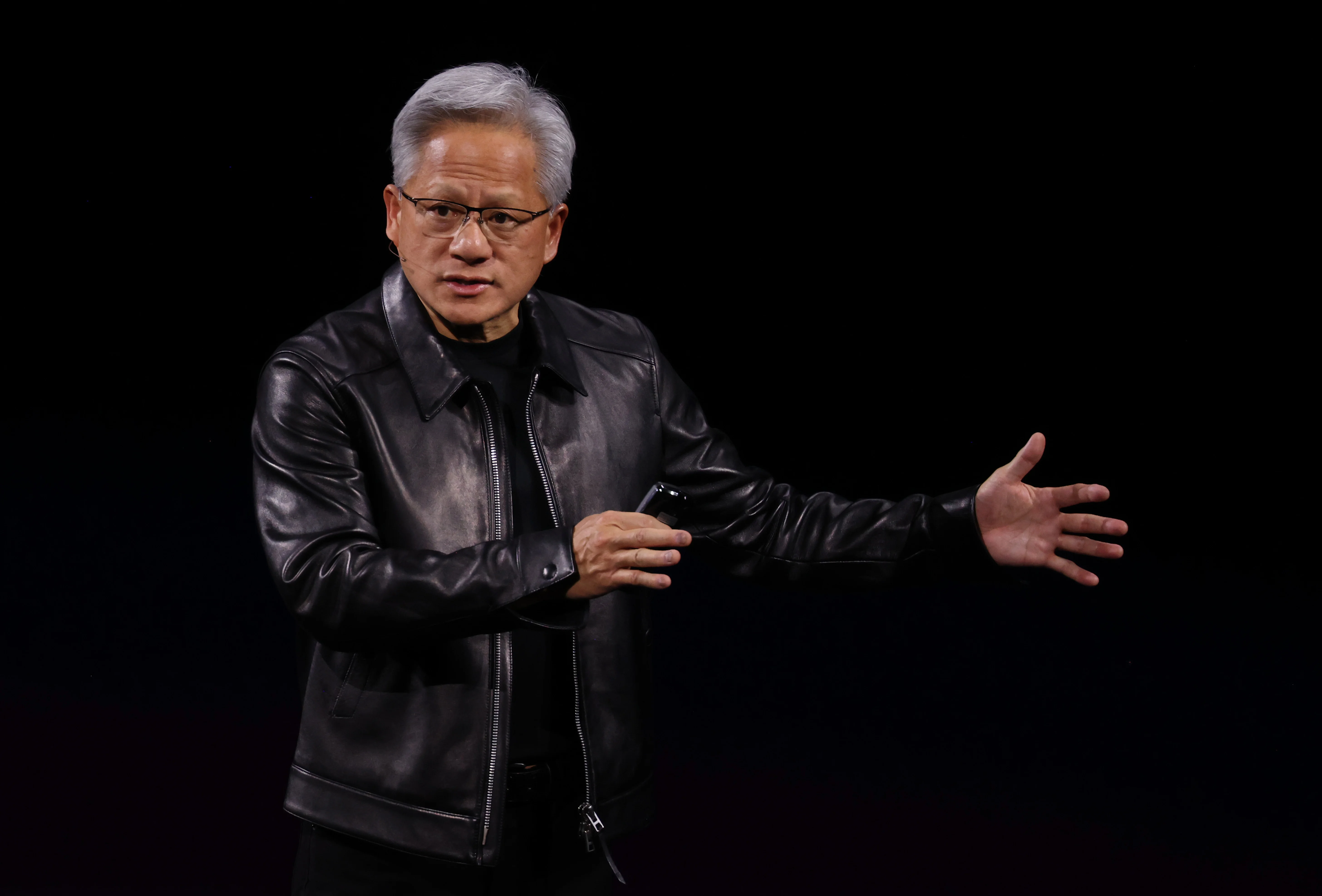
The departure of Jensen Huang, co‑founder and long‑time chief executive of Nvidia, marks a turning point for a company that has been at the forefront of artificial intelligence hardware. Reports surfaced alleging that Huang engaged in a relationship with an individual identified as a foreign intelligence operative, prompting an internal investigation that culminated in his exit. The board acted swiftly, citing the need to preserve shareholder confidence and maintain the integrity of the company's strategic direction. This episode has ignited a broader conversation about the vulnerabilities of technology firms to espionage and personal misconduct.
Institutional responses have been swift and . The Securities and Exchange Commission opened a probe into potential disclosure failures, while rival chipmakers issued statements emphasizing their own compliance frameworks. Nvidia's board appointed an interim chief with a background in corporate risk management, signaling a shift toward heightened oversight. Meanwhile, investors have demanded clearer guidance on product roadmaps, fearing that leadership turbulence could delay the rollout of next‑generation GPUs that power data‑center workloads worldwide.
The downstream impact is already evident across markets and supply chains. Stock analysts have downgraded Nvidia's rating, forecasting a slowdown in revenue growth as customers reassess procurement plans. Partners in the AI ecosystem, from cloud providers to autonomous‑vehicle developers, are reviewing contractual terms to mitigate exposure. Over the next twelve months, the industry may witness a consolidation of leadership talent as firms prioritize stability, potentially reshaping competitive dynamics in the semiconductor arena.
Comments 0