One Factor I Consider For Elevation Is How Judge Would Be A Team Player In Supreme Court : CJI Surya Kant
Chief Justice of India Surya Kant said that a judge’s willingness to work as a team player is a key factor in his or her elevation to the Supreme Court. He used a cricket analogy, comparing the Court’s heavy docket to a fast‑paced T20 match, during a ceremony organized by the Supreme Court Bar Association.
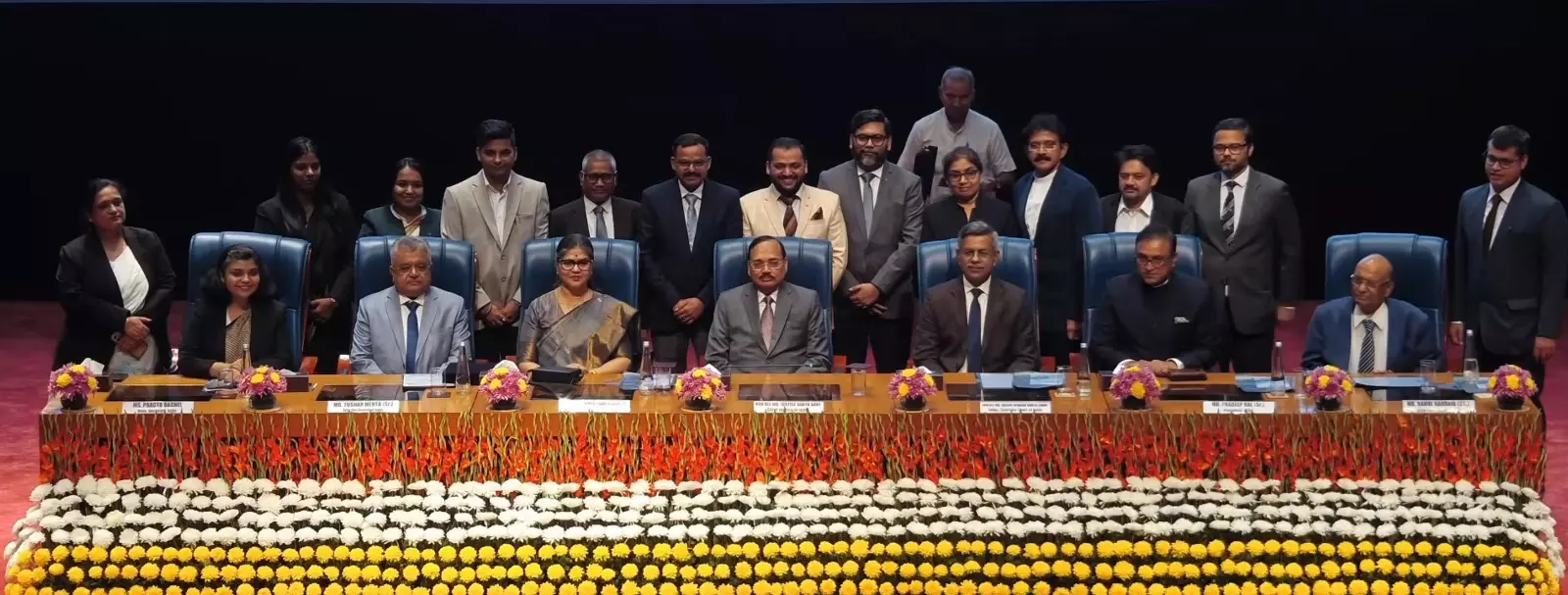
Speaking at the Supreme Court Bar Association’s felicitation ceremony for newly elevated judges, Chief Justice Surya Kant emphasized that the ability to cooperate with fellow justices is essential when considering promotions to the nation’s highest court. He noted that the Supreme Court now receives a record number of petitions each year, creating a workload that requires judges to coordinate closely, share insights, and manage cases efficiently. The CJI likened the situation to a T20 cricket match, where quick decisions and teamwork determine success.
The remarks came as the Supreme Court continues to grapple with a backlog of civil and criminal matters, many of which involve complex constitutional questions. Legal experts say that the Court’s docket has expanded due to increased public awareness of judicial remedies and the rise of public interest litigations. In this environment, the CJI’s focus on collaborative skills reflects a broader shift toward collective decision‑making, rather than reliance on individual authority. He also reminded the audience that judges must balance legal rigor with the practical demands of a busy courtroom.
The speech has sparked discussion among senior advocates and law scholars about the criteria used for judicial appointments. While merit, seniority, and integrity remain central, the emphasis on teamwork may influence future selections, especially as the Court seeks to maintain consistency across its judgments. Observers note that the CJI’s comments could also affect how lower courts prepare judges for potential elevation, encouraging mentorship and joint case handling. The legal community will be watching how these ideas translate into concrete appointment policies in the months ahead.
Comments 0