Options Traders Grip the S&P 500 in a Market Defined by Stagnation
UBS analysts attribute the S&P 500's lack of directional movement since June to the dominant influence of options traders, who are effectively capping volatility and compressing price ranges. This structural shift grants derivatives market participants unprecedented power over the trajectory of the world's most watched equity index.
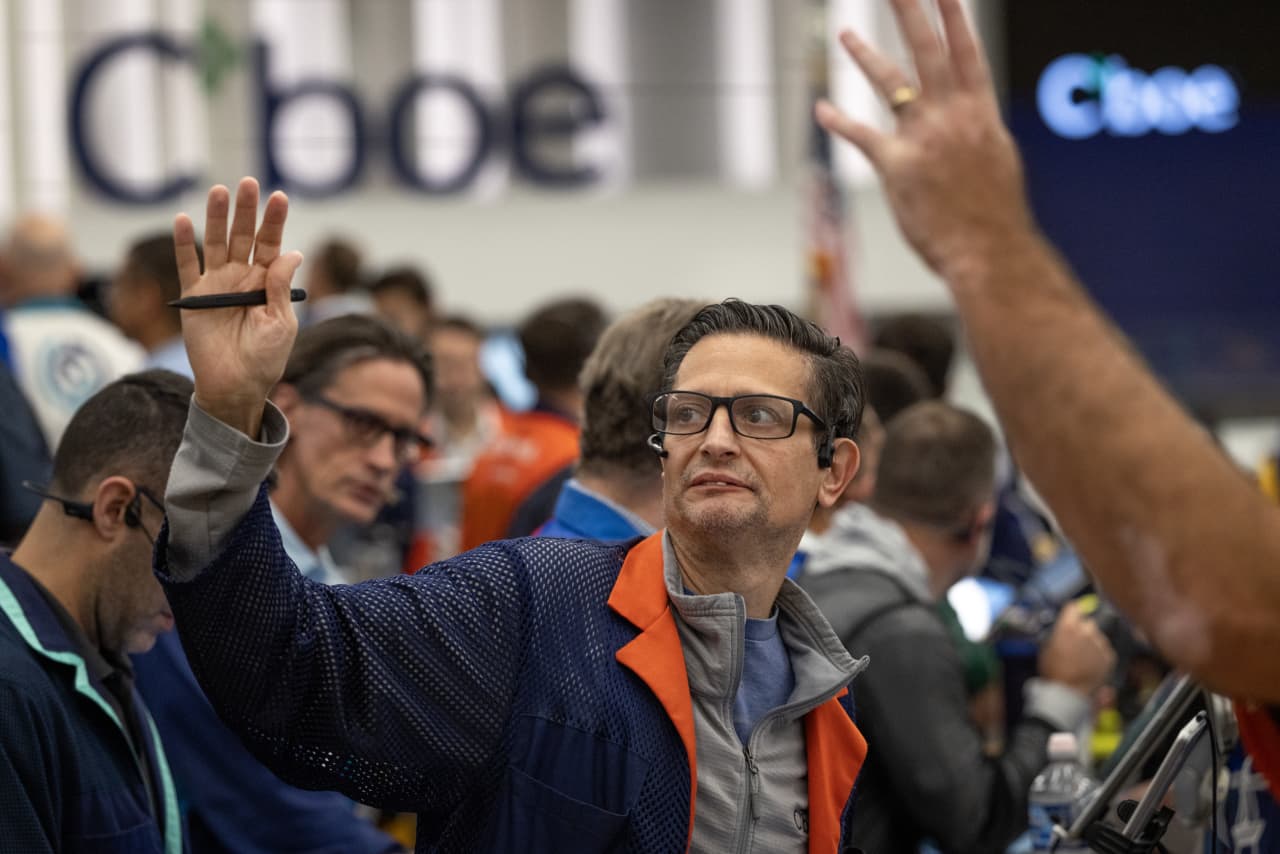
The S&P 500 has entered a period of unusual stagnation, with the index failing to make significant directional progress since June. According to a team at UBS, this lack of movement is not a sign of market equilibrium but rather the result of a structural change in how the index is traded. Options traders, by engaging in strategies that hedge against volatility, have effectively created a ceiling and a floor for the index, trapping it within a narrow band and reducing the natural price discovery mechanisms that typically drive broader market trends.
This phenomenon highlights a growing institutional friction between traditional equity investors and the derivatives market. As options trading volumes increase, the actions of these traders begin to dictate the behavior of the underlying assets, creating a feedback loop where hedging activity suppresses the very volatility that might otherwise trigger a breakout. This dynamic shifts the center of gravity in the market, granting a smaller cohort of sophisticated traders disproportionate influence over the performance of major indices, thereby altering the risk profile for long-term investors who rely on directional trends.
The tangible outcome of this control is a market that appears calm on the surface but is underpinned by complex, high-stakes positioning. For institutional portfolios, this means that traditional risk models may no longer accurately predict index behavior, as the standard deviation of returns is being artificially managed. The downstream casualty of this shift is the erosion of organic market signals, forcing asset managers to develop more sophisticated strategies to navigate a where the most significant price movements are often the result of derivative unwinding rather than fundamental news.
Comments 0