Pak Minister’s Water Threats Shadow SCO Visit
Pakistan’s Climate Minister, set to visit India for SCO meetings, has issued stark warnings regarding the Indus Waters Treaty. His rhetoric reflects a deepening crisis in bilateral relations, with water security emerging as a new front in the ongoing geopolitical standoff.
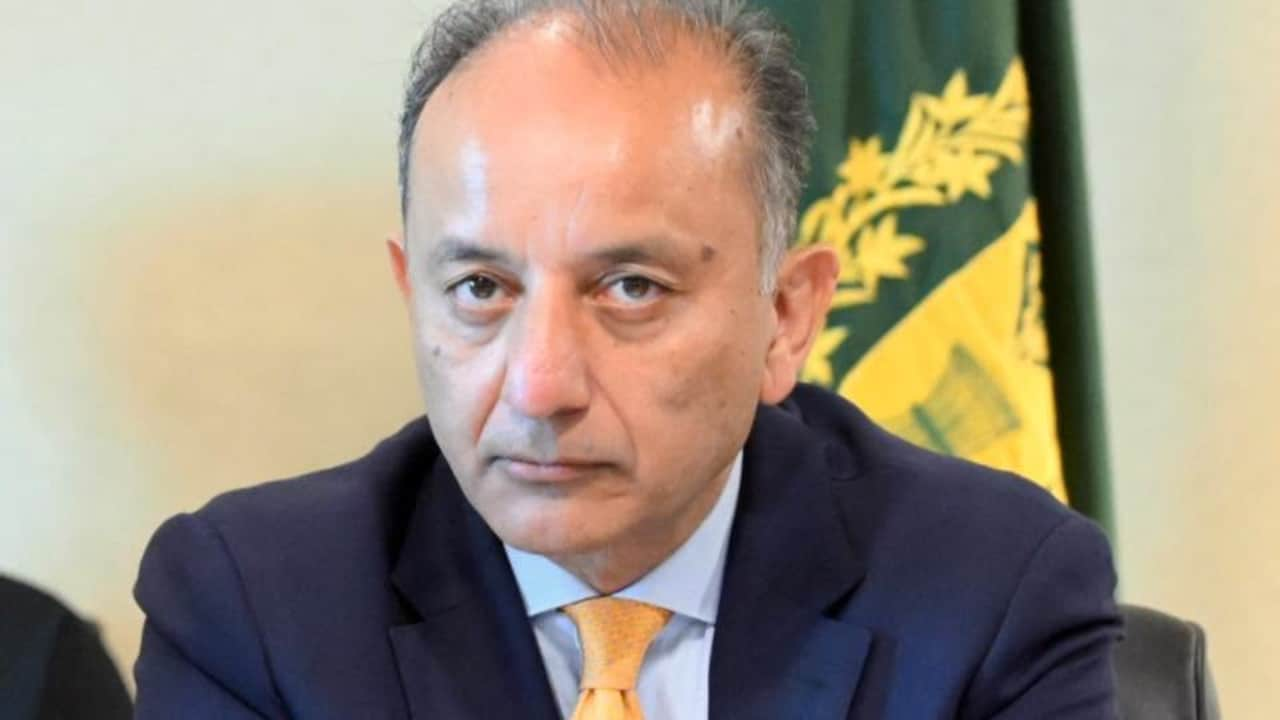
The impending visit of Pakistan’s Climate Minister Musadik Malik to India for the SCO summit is overshadowed by his recent threats to cut off hands over the Indus Waters Treaty. This rhetoric, delivered at a water conference, underscores the escalating tensions between the two nations, particularly in the wake of the 2025 Pahalgam terror attack in Kashmir. The treaty, a cornerstone of bilateral relations since 1960, is now under strain, with India placing it in abeyance as a response to the security threat. The minister’s visit, therefore, is not just a diplomatic formality but a high-stakes negotiation on a resource that is vital to both nations.
The institutional friction in this matter is rooted in the changing dynamics of water politics in the region. As climate change exacerbates water scarcity, the stakes of the Indus Waters Treaty have risen dramatically. Pakistan’s reliance on the river for agriculture and drinking water makes it a critical asset, while India’s upstream control gives it significant leverage. The minister’s threats are a reflection of this power imbalance, as Pakistan seeks to assert its rights in a context where traditional diplomatic channels have been compromised by security concerns.
The tangible outcome of this visit will be determined by the ability of both sides to find a middle ground. If negotiations fail, it could lead to a further deterioration of relations, with potential spillover effects on other areas of cooperation. The long-term consequence is a shift in the regional balance of power, with water emerging as a key determinant of geopolitical stability. The next 12 months will be in determining whether this crisis can be contained or if it will escalate into a broader conflict.
Comments 0