Pakistan Enforces Strict Austerity Protocols Amid Severe Fuel Shock
Islamabad has mandated an immediate halt to all official banquets and foreign delegations, responding directly to mounting foreign reserve strains. The sweeping fiscal contraction aims to preserve essential energy imports while signalling deep economic vulnerability to international creditors.
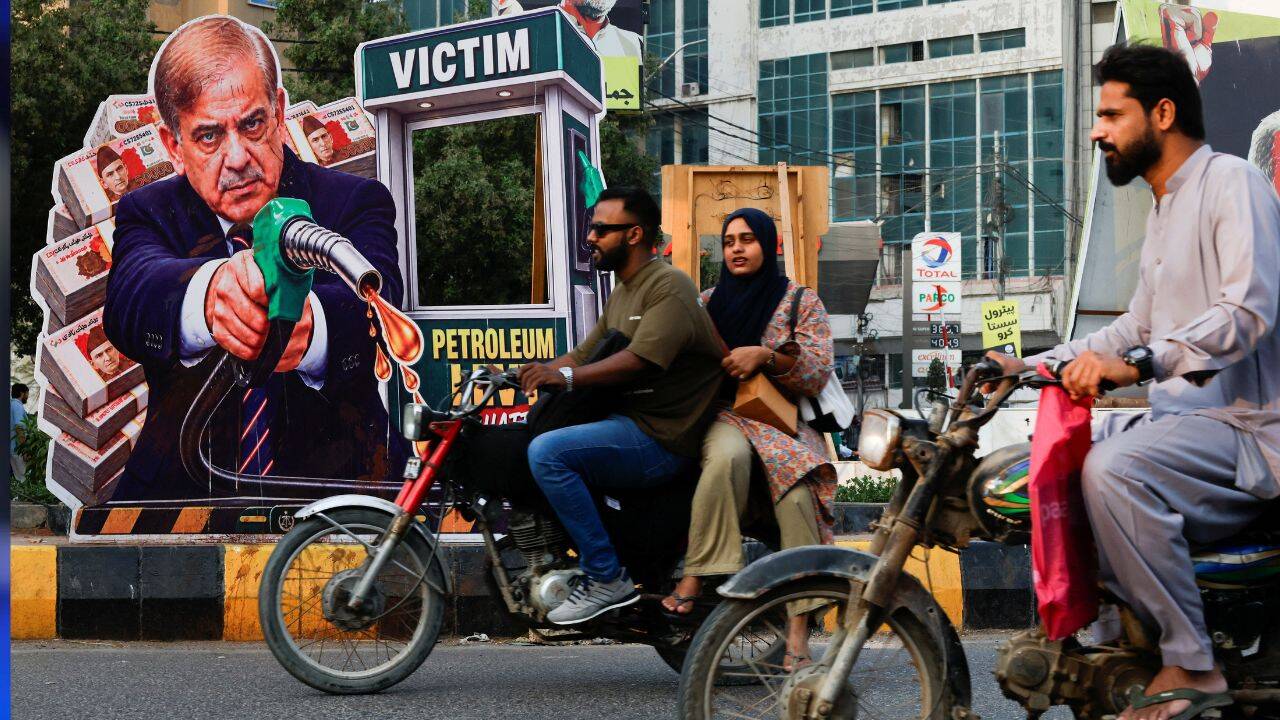
The central administration in Islamabad announced a drastic curtailment of state expenditures, targeting ministerial perks, overseas travel, and state-sponsored hospitality. This policy shift arrives on the heels of severe macroeconomic turbulence and skyrocketing fuel import bills that threaten to deplete national treasury reserves entirely. Ministries have been instructed to slash operational budgets by twenty percent overnight, creating an immediate administrative freeze across civilian departments. Beneath these emergency decrees lies a deeper institutional tension between civilian fiscal planners and military budget demands, which traditionally remain insulated from austerity measures. International lenders have long demanded structural reforms, yet previous administrations balked at measures that directly impact elite bureaucratic privileges. By targeting visible symbols of state luxury, the current administration attempts to placate external auditors while avoiding structural taxation overhauls. The immediate casualties of this austerity drive include local hospitality vendors, diplomatic liaison officers, and routine administrative functions that rely on discretionary spending. Downstream economic indicators suggest a broader contraction in domestic service sectors as government patronage abruptly vanishes. Without substantial foreign aid injections, these temporary containment measures risk triggering deeper systemic paralysis across the federation.
Comments 0