Pakistan Extends SCO Invitation to India Amid Diplomatic Thaw
Pakistan has signaled a willingness to invite India to upcoming Shanghai Cooperation Organisation events, a significant diplomatic gesture following the Pahalgam attacks. This move seeks to re-engage New Delhi in multilateral forums, testing the limits of the current geopolitical standoff.
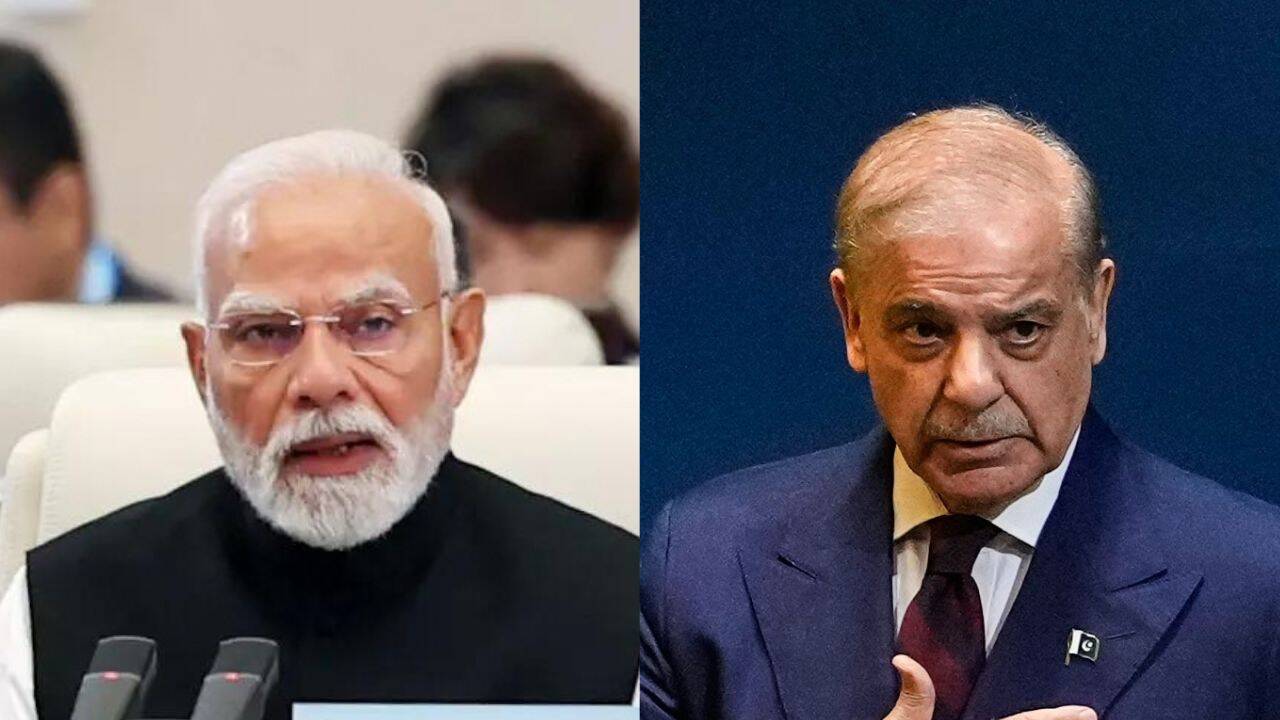
The decision by Islamabad to extend an invitation to New Delhi for the SCO culture ministers' meeting represents a calculated risk in the current diplomatic climate. Following the tragic terrorist attack in Pahalgam, bilateral relations had reached a nadir, with diplomatic channels largely frozen. By initiating contact through a multilateral body, Pakistan is attempting to bypass the direct bilateral impasse and reinsert India into a regional security architecture where it holds significant influence. This is not merely a cultural exchange but a strategic probe to gauge New Delhi's appetite for re-engagement.
The institutional friction here is profound. India has historically viewed the SCO as a platform dominated by China and Russia, with limited utility for its own strategic interests. However, the organization also serves as a counterweight to the US-led Indo-Pacific initiatives. For Pakistan, the SCO is a lifeline to maintain relevance in Central Asian security discussions. The underlying tension is whether India can decouple its security concerns regarding Pakistan from its broader strategic interests in the region. The invitation forces New Delhi to choose between maintaining a hardline stance on bilateral issues or engaging in multilateral diplomacy that could yield long-term benefits.
The downstream impact of this potential re-engagement will be felt in the broader South Asian security architecture. If India accepts the invitation, it could lead to a gradual normalization of diplomatic channels, potentially easing tensions in other areas such as water sharing and trade. However, if New Delhi declines, it risks isolating itself from a key regional forum and allowing Pakistan to frame the narrative of diplomatic isolation. The decision will also influence the dynamics within the SCO, potentially altering the balance of power among its member states and affecting the organization's future agenda on cross-border terrorism and economic cooperation.
Comments 0