Pakistan Prepares For Severe Economic Paralysis As Political Protests Threaten Daily Output
State authorities in Islamabad project compounding economic losses reaching four hundred million dollars daily as nationwide demonstrations paralyze commercial arteries. The unfolding civil unrest threatens to exhaust foreign exchange reserves and fracture fragile supply chains across the subcontinent.
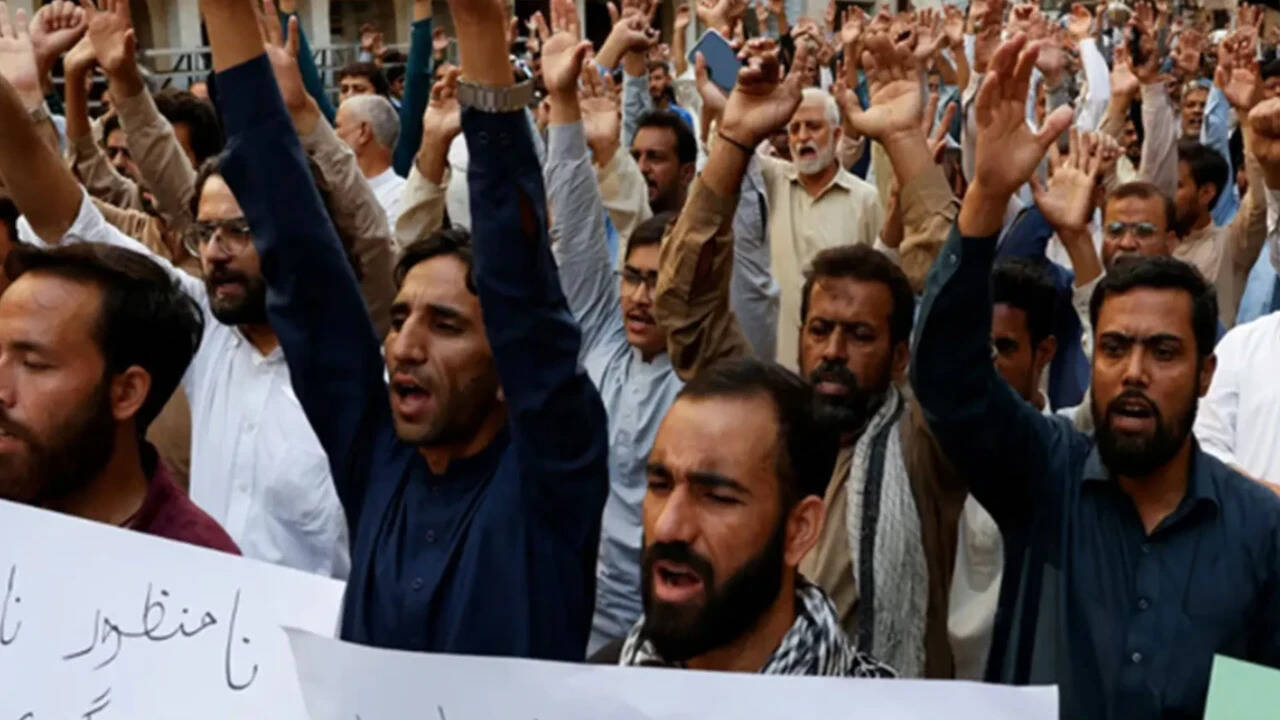
The impending wave of street demonstrations threatens to bring commercial life across major Pakistani urban centers to a complete standstill. Federal ministries have released emergency impact models showing that sustained blockades will hemorrhage hundreds of millions of dollars per day from an already fragile national treasury. Essential manufacturing sectors, import corridors, and retail markets face immediate closures as civil disobedience campaigns gain momentum against the ruling coalition. At the heart of this disruption lies a deep structural impasse between the ruling administration and opposition coalitions over economic austerity measures dictated by international lenders. The state apparatus relies heavily on heavy-handed policing tactics to maintain order, yet these measures continually inflame public resentment over inflation and unemployment. Institutional friction between judicial bodies and executive authorities further compromises the state's capacity to negotiate a credible de-escalation path with labor unions and trade associations. The immediate casualties of this standoff are small business owners, daily wage earners, and the broader populace who bear the brunt of hyperinflation compounded by paralyzed commerce. Downstream macroeconomic consequences will likely include an accelerated depletion of central bank reserves, forcing the government toward emergency currency stabilization policies that punish domestic consumers. Foreign investors are increasingly viewing the sovereign risk profile as untenable, signaling a prolonged period of capital flight and economic stagnation across the region.
Comments 0