Pakistani PM’s Son Seeks Dialogue from Indian Jatha, Testing Diplomatic Fault Lines
The son of the Pakistani Prime Minister has addressed a Sikh jatha from India, calling for dialogue and the reopening of the Kartarpur Corridor, a move that carries significant diplomatic weight. This public appeal from a member of the Pakistani leadership signals a desire to ease tensions and restore a symbolic link between the two nations, despite the broader geopolitical chill.
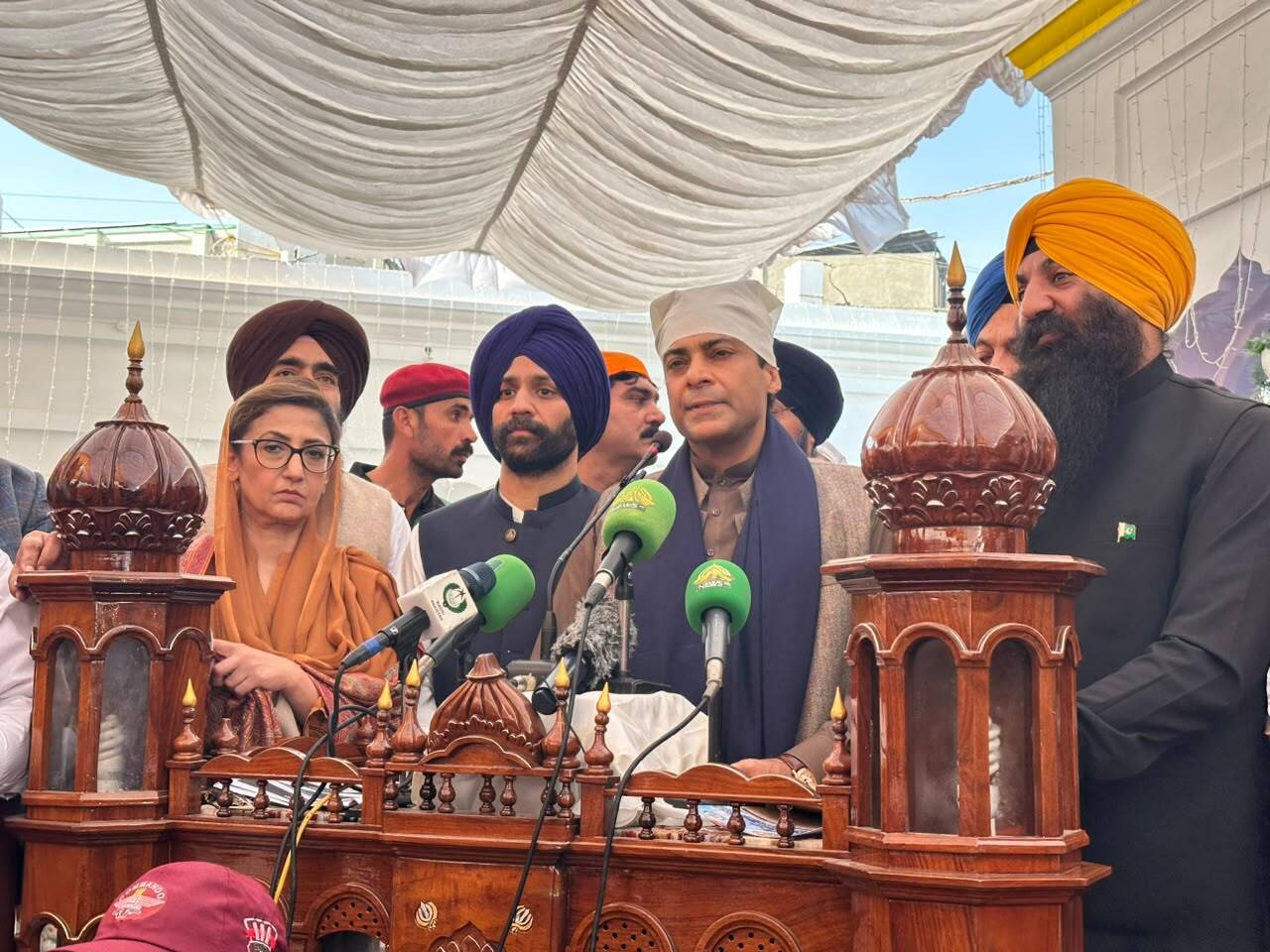
The concrete outcome of this address is a public signal from the Pakistani leadership that it is open to dialogue with India, at least on the issue of the Kartarpur Corridor. This is a significant move, given the strained relations between the two countries, and it suggests that there is a desire to find common ground on issues that are important to the Sikh community. The call for the reopening of the corridor is not just a diplomatic gesture but a practical step towards improving people-to-people contact and reducing tensions. The move also reflects the internal politics of Pakistan, where the Sikh community is a significant constituency and the issue of the corridor is a sensitive one.
The underlying tension in this issue is the complex relationship between India and Pakistan, which is marked by historical grievances, territorial disputes, and security concerns. The call for dialogue is a small step towards easing these tensions, but it is also a test of the willingness of both sides to engage in a constructive manner. The issue of the Kartarpur Corridor is a symbolic one, representing the shared cultural and religious heritage of the two nations, but it is also a practical one, with implications for trade, travel, and security. The move also highlights the role of non-state actors, such as the Sikh community, in shaping the relationship between the two countries.
The tangible outcome of the call for dialogue is a potential opening for negotiations on the reopening of the corridor, which could lead to improved people-to-people contact and a reduction in tensions. The move also has the potential to influence the broader relationship between the two countries, by creating a channel for communication and cooperation. The downstream effect is a more stable and predictable relationship, which is in the interest of both nations and the region. The long-term impact is a more integrated and cooperative South Asia, where the shared cultural and religious heritage of the two nations is celebrated and protected. The move also serves as a model for other areas of cooperation, where the two countries can work together to address common challenges.
Comments 0