Pakistan's Emergency in Khyber Pakhtunkhwa: A Political Purge
Pakistan has declared a state of emergency in Khyber Pakhtunkhwa, the political stronghold of former Prime Minister Imran Khan, effectively suspending local governance and centralizing power in Islamabad. This move is a direct response to political instability and a preemptive strike against Khan's base of support, signaling a deepening authoritarian turn.
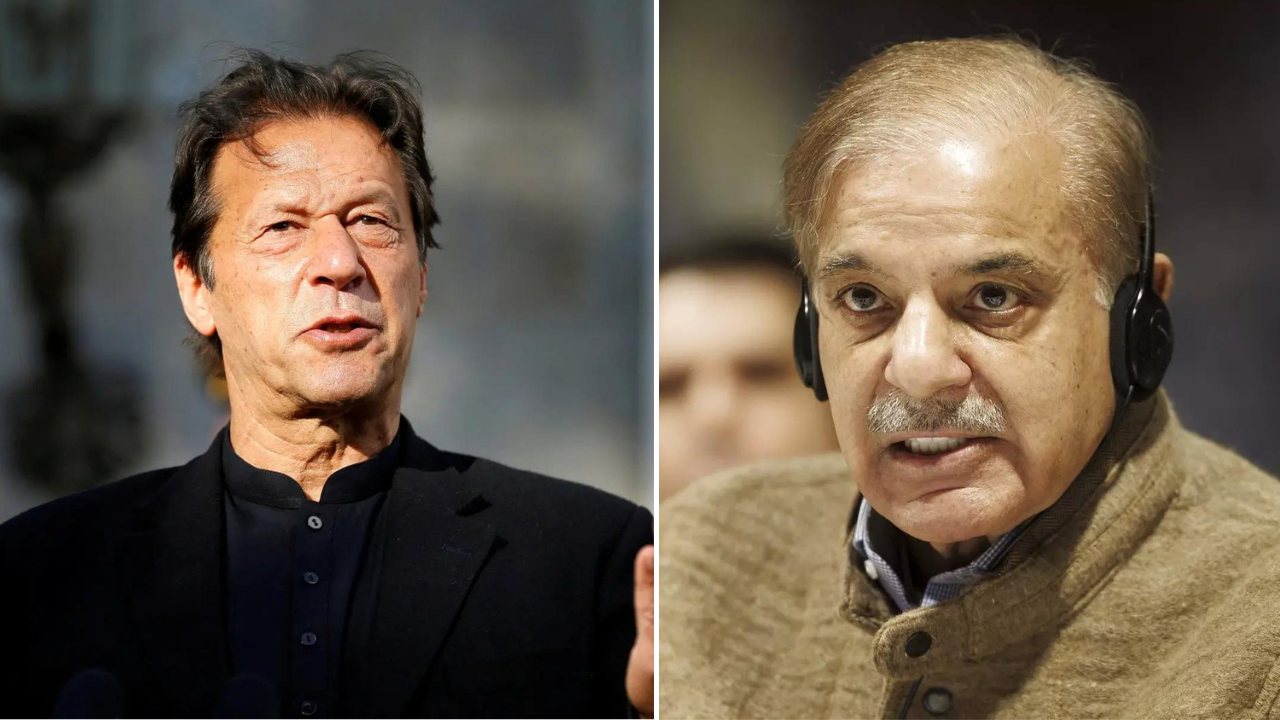
The concrete rupture is the declaration of a state of emergency in Khyber Pakhtunkhwa, a province that has historically been the political bedrock of Imran Khan's party. This action suspends the powers of the provincial government and places the region under direct federal control, a move that is both a legal and political severance. The immediate shockwave is the paralysis of local administrative functions and the potential for civil unrest, as the population of the province is now subject to martial law-like conditions. The declaration is not a response to an external threat but an internal political maneuver to neutralize opposition. It marks a significant escalation in the conflict between the federal government and the PTI party.
The underlying tension is rooted in the unresolved political crisis following Khan's ouster and the subsequent legal battles. The federal government views the province as a threat to national stability, while the PTI sees it as an act of political persecution. Institutional friction arises from the centralization of power, which undermines the federal structure of Pakistan. The emergency powers allow the federal government to bypass provincial checks and balances, effectively creating a one-party state in the region. This friction is exacerbated by the military's influence in political affairs, which often favors stability over democratic process. The move is a clear signal that the political opposition will be contained by force if necessary.
The downstream casualties are the democratic institutions of Pakistan and the rights of the citizens of Khyber Pakhtunkhwa. The suspension of local governance leads to a vacuum in public services and a lack of accountability for federal actions. The tangible outcome is a polarized society where political loyalty is determined by geography, and the rule of law is subordinated to political expediency. The 12-month structural consequence will be the further erosion of Pakistan's democratic norms, with the emergency becoming a permanent tool for political control, leading to a decline in international aid and investment due to the perceived instability and human rights concerns.
Comments 0