Pakistan's External Debt Approaches $135 Billion, China Emerges as Largest Creditor
Pakistan's external borrowing is projected to near $135 billion by 2025, with Chinese institutions accounting for the majority of new loans. The debt surge deepens fiscal strain and reshapes regional economic dependencies.
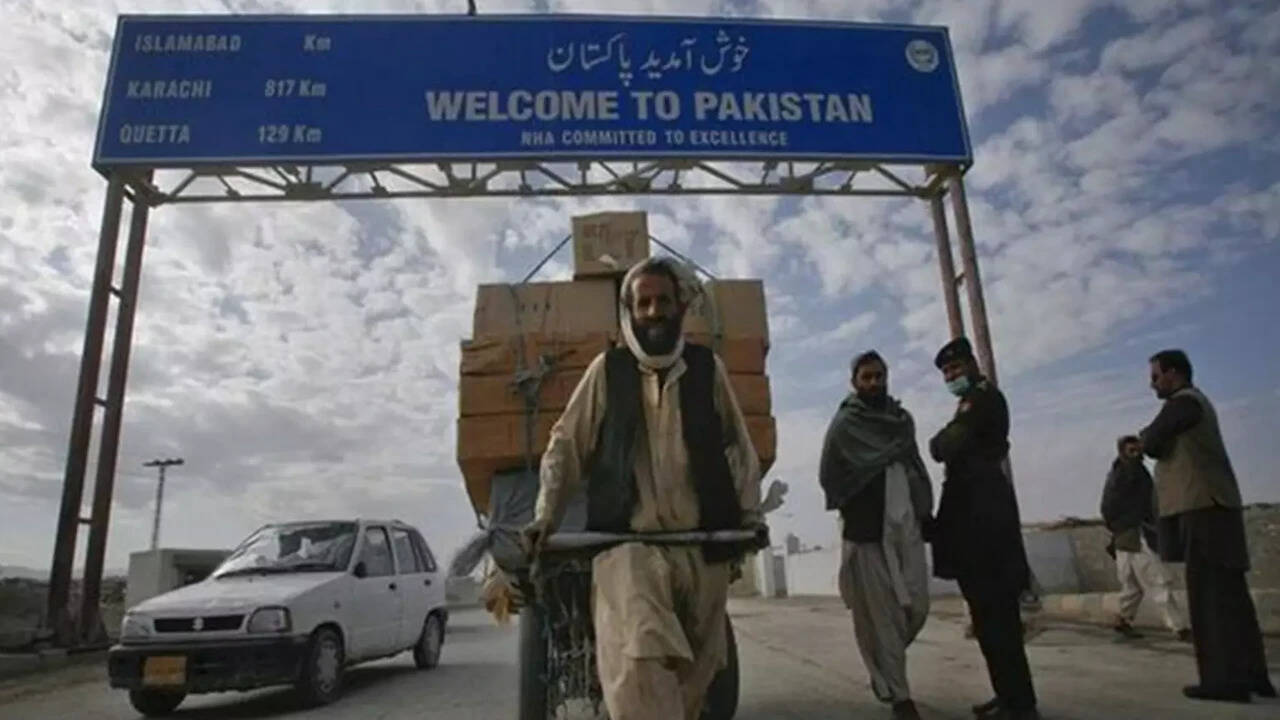
The concrete rupture was recorded when financial analysts reported that Pakistan's external debt is set to almost double over the past decade, reaching an estimated $135 billion by 2025. The data, published by a leading Indian business outlet, highlighted that a significant portion of the new borrowing originates from Chinese banks and state‑owned enterprises, positioning China as the country's biggest external lender.
Underlying tension stems from Pakistan's chronic balance‑of‑payments deficits and the government's reliance on foreign capital to finance infrastructure projects and energy imports. Critics in Islamabad argue that the growing debt burden limits fiscal autonomy and increases vulnerability to external shocks, while Chinese officials present the loans as part of broader regional connectivity initiatives. The situation has also drawn attention from international financial institutions, which warn that unsustainable debt levels could trigger a credit downgrade.
Downstream casualties are already evident in the form of heightened inflationary pressures, as debt servicing consumes a larger share of the national budget, crowding out social spending. Investors have grown wary, leading to tighter credit conditions and a slowdown in private sector investment. The debt trajectory also influences geopolitical calculations, as Pakistan's deepening financial ties to China may affect its strategic posture in South Asian affairs and its engagement with other global powers over the coming year.
Comments 0