Pakistan's Security Fracture: Suicide Blast in Northwest
A suicide bomber struck a police post in northwestern Pakistan, killing eleven people and injuring thirty others in an attack that underscores the persistent instability in the region. The incident signals a resurgence of militant activity, posing a direct threat to regional security and complicating diplomatic efforts to stabilize the area.
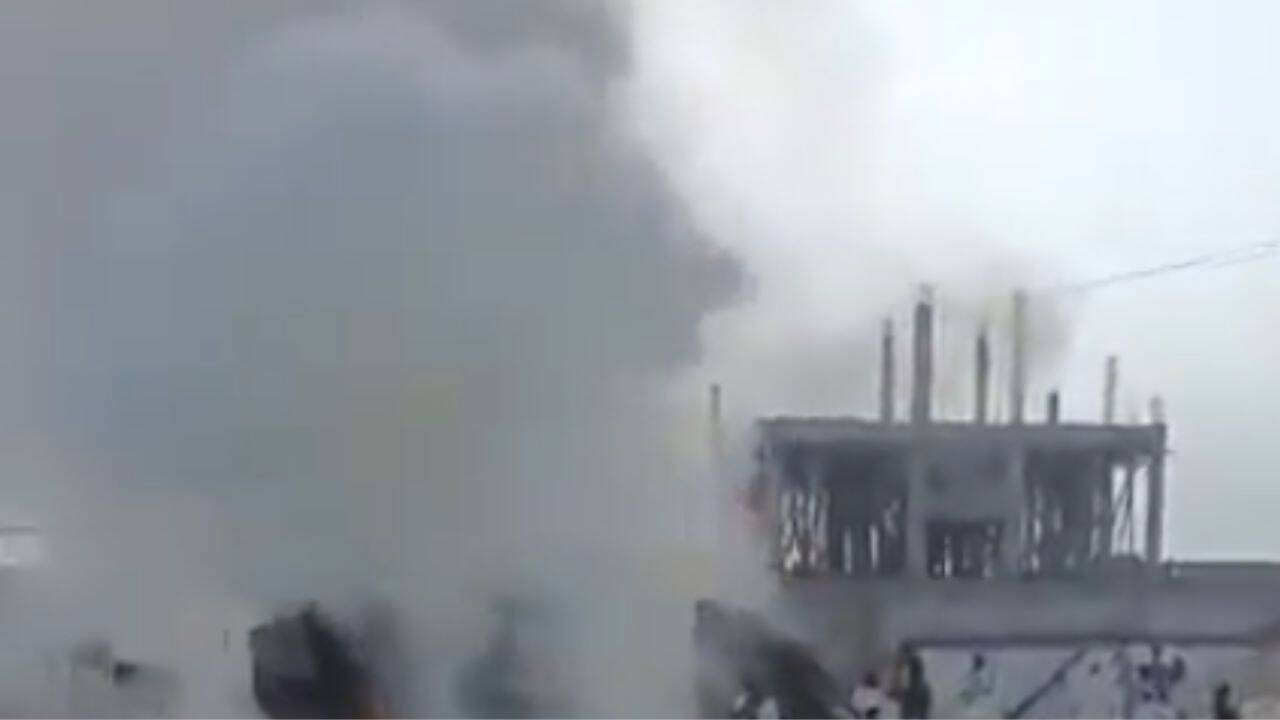
The explosion near a police post in northwestern Pakistan is a stark reminder of the fragility of security in the region. The suicide attack, which claimed eleven lives, demonstrates the continued capability of militant groups to strike at the heart of state authority. This is not an isolated incident but part of a broader pattern of violence that has plagued the area for years, driven by complex geopolitical and ideological factors. The underlying tension in northwestern Pakistan is fueled by the presence of cross-border militant networks and the challenges of maintaining law and order in remote, difficult terrain. The state's ability to project power in these areas is often limited, creating a vacuum that extremist groups exploit. This instability has far-reaching implications, affecting not only Pakistan but also its neighbors, including India, which shares a long and contested border with the country. The downstream consequences of such attacks are severe, including increased military spending, heightened security measures, and a deterioration in public trust in the state's ability to protect its citizens. The incident also complicates diplomatic efforts to promote peace and stability in the region, as it reinforces the perception that security threats are persistent and difficult to eradicate. The winners in this scenario are the militant groups, who gain publicity and recruits, while the casualties are the innocent civilians and the state's credibility.
Comments 0