Pakistan's Winter Energy Crisis: A $1 Billion LNG Burden
Pakistan faces a staggering $1 billion bill to secure liquefied natural gas for the winter, driven by soaring spot prices and disruptions to Qatari term contracts. This fiscal shock threatens to exacerbate the country's existing balance of payments crisis, forcing difficult choices between energy security and macroeconomic stability.
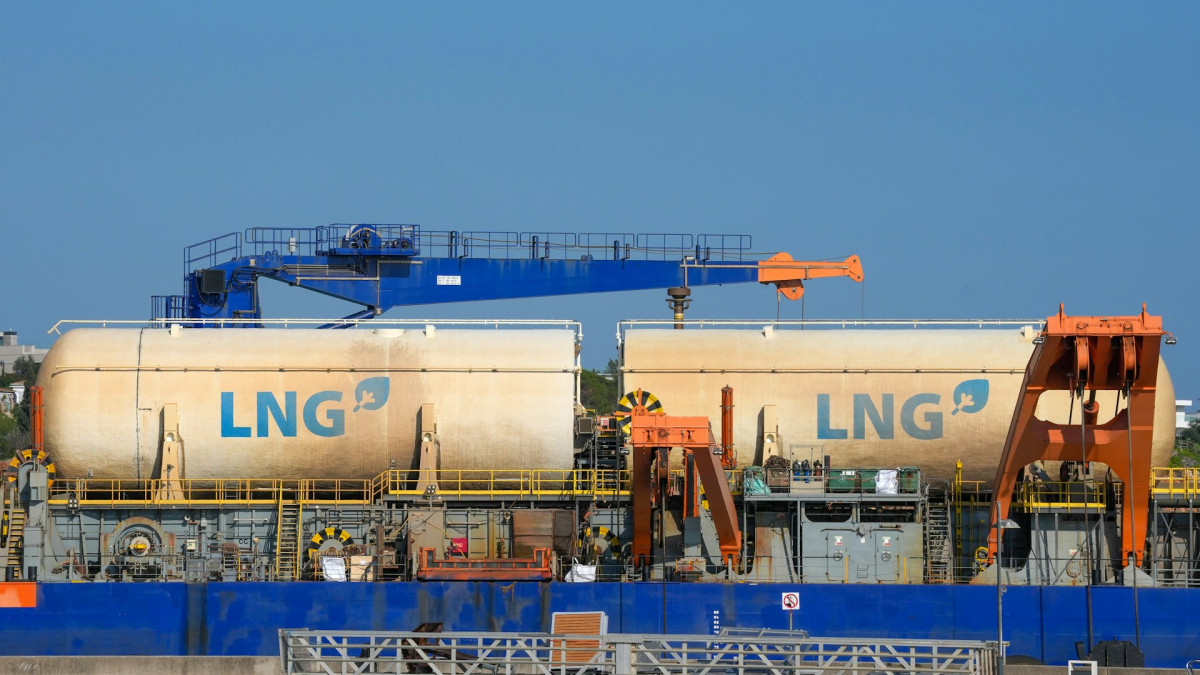
Pakistan is confronting a severe energy shortfall as it prepares for the winter months, with estimates indicating a cost of over $1 billion to secure necessary LNG supplies. The surge in spot prices in Asia, reaching three-year highs, has rendered previously negotiated term contracts insufficient or unaffordable, particularly amid disruptions to Qatari supply. This financial burden is not merely an operational expense but a systemic threat to the nation's fiscal health, as the government must find immediate liquidity to meet these obligations. The situation highlights the vulnerability of energy-importing nations to global market volatility and the fragility of long-term supply agreements in a shifting geopolitical .
The underlying tension stems from Pakistan's structural dependence on imported energy and its limited capacity to hedge against price spikes. Institutional friction is evident in the gap between the government's energy planning and the reality of global market dynamics, where spot prices can fluctuate dramatically due to geopolitical events or supply chain disruptions. The reliance on short-term spot purchases, rather than diversified long-term contracts, has left the country exposed to market shocks. This episode underscores the need for more robust energy security strategies, including the development of domestic resources and the diversification of supply sources.
The immediate consequence is a strain on Pakistan's foreign exchange reserves, potentially leading to further austerity measures or a request for international financial assistance. The downstream impact extends to the general population, who may face higher electricity tariffs and reduced access to essential services. This energy crisis is likely to deepen the country's economic instability, affecting its ability to meet other international obligations. Over the next 12 months, Pakistan may be forced to seek new financing or implement stricter energy rationing, with significant social and political repercussions.
Comments 0