Pakistan's Winter Energy Crisis Forces Urgent LNG Procurement
State-owned Pakistan LNG Limited has issued an emergency tender for two cargoes of liquefied natural gas to alleviate a deepening winter gas shortage. The move highlights the fragility of the country's energy infrastructure and its heavy reliance on volatile international markets.
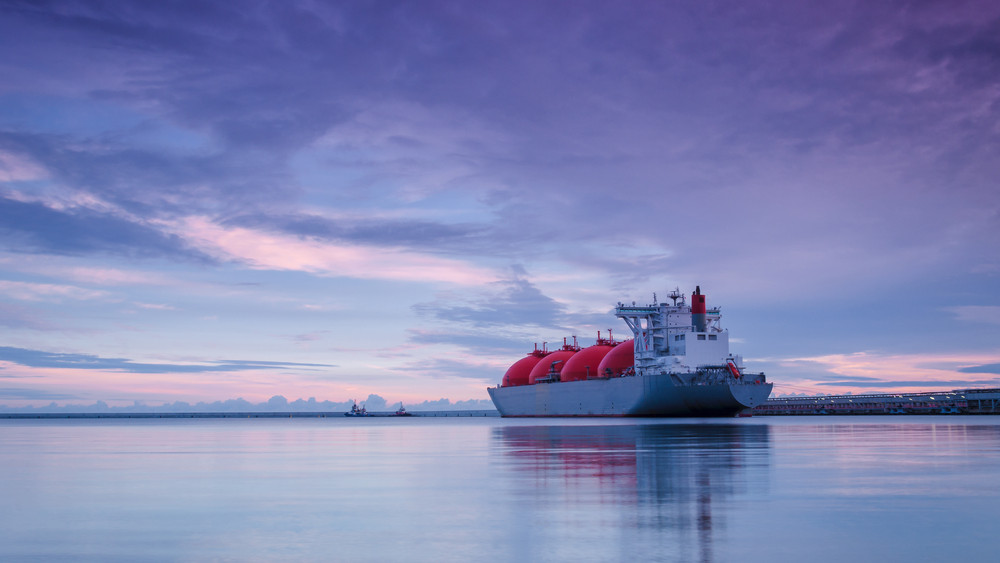
The concrete rupture in Pakistan's energy sector is the immediate, high-cost procurement of LNG cargoes to meet domestic demand during the winter months. The tender, issued by the state-owned entity, is a direct response to a critical shortfall in gas supply that has begun to affect residential heating and industrial operations. This emergency measure underscores the inability of the country's domestic production and pipeline networks to meet peak seasonal demand, forcing a reliance on spot market purchases that carry significant financial risks.
The underlying tension is rooted in years of underinvestment in energy infrastructure and a structural imbalance between supply and demand. The institutional friction is evident in the recurring nature of these crises, where seasonal spikes in consumption outpace the capacity of the grid and storage facilities. This pattern suggests a systemic failure in long-term energy planning, where short-term fixes are repeatedly employed to manage long-term deficits, leading to a cycle of debt and economic instability.
The downstream casualties of this crisis include increased energy costs for consumers and businesses, which can stifle economic growth and exacerbate inflation. The reliance on imported LNG also exposes the country to global price fluctuations and geopolitical risks, further complicating its fiscal position. This event may prompt a reevaluation of energy policy, potentially leading to increased investment in domestic gas exploration and renewable energy sources to reduce dependency on volatile imports.
Comments 0