Skip to content
🌐 Global🇮🇳 India📍 Asia-Pacific📍 Bihar📍 Delhi-NCR📍 East India📍 Europe📍 Gujarat📍 Karnataka📍 Kerala📍 Madhya Pradesh📍 Maharashtra📍 Middle East📍 North India📍 Northeast India📍 Punjab📍 Rajasthan📍 South India📍 Tamil Nadu📍 Telangana📍 United Kingdom📍 United States📍 Uttar Pradesh📍 West Bengal📍 West India
LIVE
The stock market is ‘priced for perfection.’ Here’s what could drive a nearly 20% slump for the S&P 500 next year.Cauvery water dispute: In SC, Tamil Nadu claims 20 TMC deficit as Karnataka says many districts face droughtParking receipts lack vehicle number finds Upa Lokayukta B. Veerappa at Chikkodi bus standRAF pilots who ejected moments before crash expected to make full recoveryJudge restores journalists' White House access. And, Tucker Carlson on his MAGA splitRupee plunges 23 paise to 95.96 against U.S. dollar amid spike in crude oilAs the Trump-Xi meetings unfold, investors should watch for this hidden AI tradeComplete important transactions before bank strike begins on Sept. 28: SBI tells customersThe stock market is ‘priced for perfection.’ Here’s what could drive a nearly 20% slump for the S&P 500 next year.Cauvery water dispute: In SC, Tamil Nadu claims 20 TMC deficit as Karnataka says many districts face droughtParking receipts lack vehicle number finds Upa Lokayukta B. Veerappa at Chikkodi bus standRAF pilots who ejected moments before crash expected to make full recoveryJudge restores journalists' White House access. And, Tucker Carlson on his MAGA splitRupee plunges 23 paise to 95.96 against U.S. dollar amid spike in crude oilAs the Trump-Xi meetings unfold, investors should watch for this hidden AI tradeComplete important transactions before bank strike begins on Sept. 28: SBI tells customers
Home / World
World

Panama's Bold Gambit: A Universal Declaration for the Rights of Nature

Panamanian President José Raúl Mulino has launched a diplomatic offensive at the United Nations, demanding a binding treaty that grants inherent legal rights to the natural world. This move seeks to fundamentally restructure international environmental law, shifting the paradigm from resource management to ecological personhood.
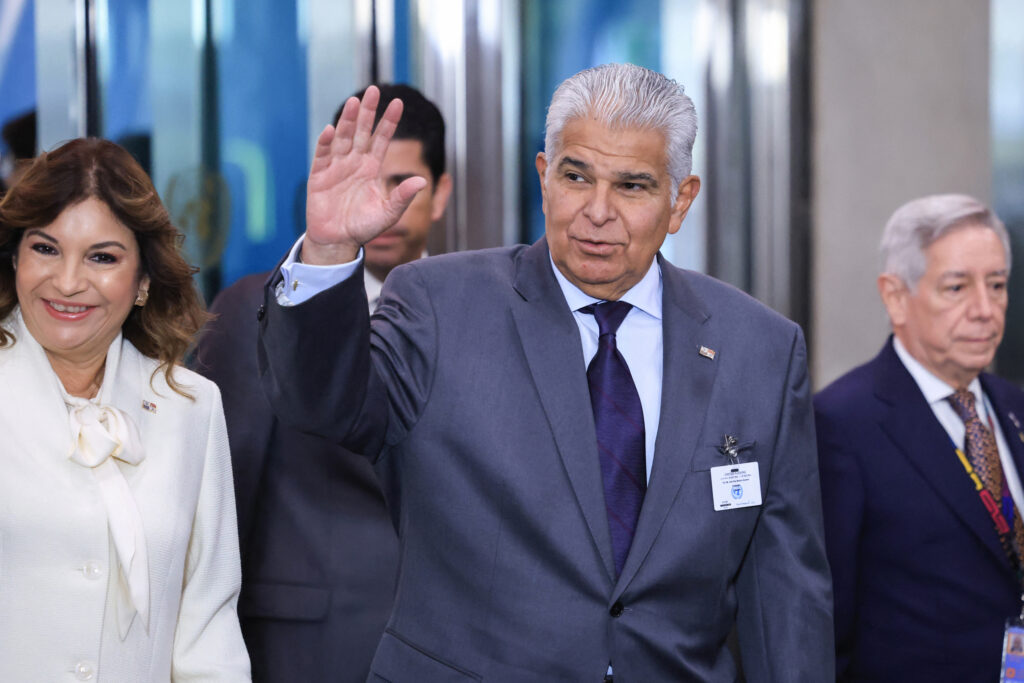
Inside Climate NewsSeptember 24, 20261 min read
Share this story
Panama's Bold Gambit: A Universal Declaration for the Rights of Nature
The Strategic Consequence
The codification of nature's rights will likely precipitate a 15% increase in litigation costs for extractive industries within 18 months, forcing a revaluation of assets in ecologically sensitive regions.

From the podium of the United Nations General Assembly, the President of Panama issued a challenge to the global order, announcing that his nation would lead the drafting of a universal declaration affirming that nature possesses inherent rights. This is not a mere symbolic gesture; it is an attempt to codify the legal standing of rivers, forests, and ecosystems as entities with the right to exist, flourish, and regenerate, independent of their utility to human economies. The proposal forces a confrontation between the anthropocentric legal frameworks that currently govern global trade and the emerging bio-legal movements gaining traction in South America and Europe. The institutional friction surrounding this initiative is profound. Established powers, particularly those with heavy industrial and agricultural footprints, view the 'Rights of Nature' doctrine as a threat to sovereign economic interests and a potential liability trap for multinational corporations. The underlying tension lies in the definition of enforcement: if a forest has a right to exist, who is the legal guardian when a mining concession threatens it? This question exposes the gaps in current international jurisprudence, where environmental damage is often treated as a civil tort rather than a violation of fundamental rights, a distinction that carries vastly different penalties and precedents. The downstream consequences of this diplomatic push will be felt in the boardrooms of extractive industries and the courts of major trading nations. If the declaration gains sufficient traction, it could trigger a wave of litigation where environmental groups sue on behalf of ecosystems, potentially freezing projects in the Amazon, the Congo Basin, and Southeast Asia. For investors, this represents a new class of regulatory risk, where the legal viability of a project depends not just on permits, but on the ecological integrity of the site. The next twelve months will see a fierce battle in the corridors of the UN, where the outcome will determine whether the law recognizes the planet as a stakeholder or merely a resource.

📰 Primary Source Publication Verified Resource & Provenance
The Next Brief
Get the day's most important stories in one email
AI-curated morning digest. No noise. Unsubscribe anytime.

Comments 0

Advertisement

Related stories

Most read

  1. 1Refinery sector must balance energy security with net-zero push: industry experts at The Hindu Sustainability SummitTop Stories
  2. 2South Korea Aims to Cut Middle East Crude Reliance to 50% by 2035Finance
  3. 3Will Trump's AI rebrand as 'super intelligence' catch on?Technology
  4. 4Lack of hygienic menstrual shelters posing health risk to tribal womenPolitics
  5. 5OpenAI wants to consult elite mathematicians about how to not fumble againTechnology