Pedagogical Dissemination and Political Biography in West Bengal
State administrative channels in West Bengal are coordinating the distribution of biographical comic literature chronicling national leadership to early childhood centers. This initiative embeds political narratives directly into foundational educational touchpoints.
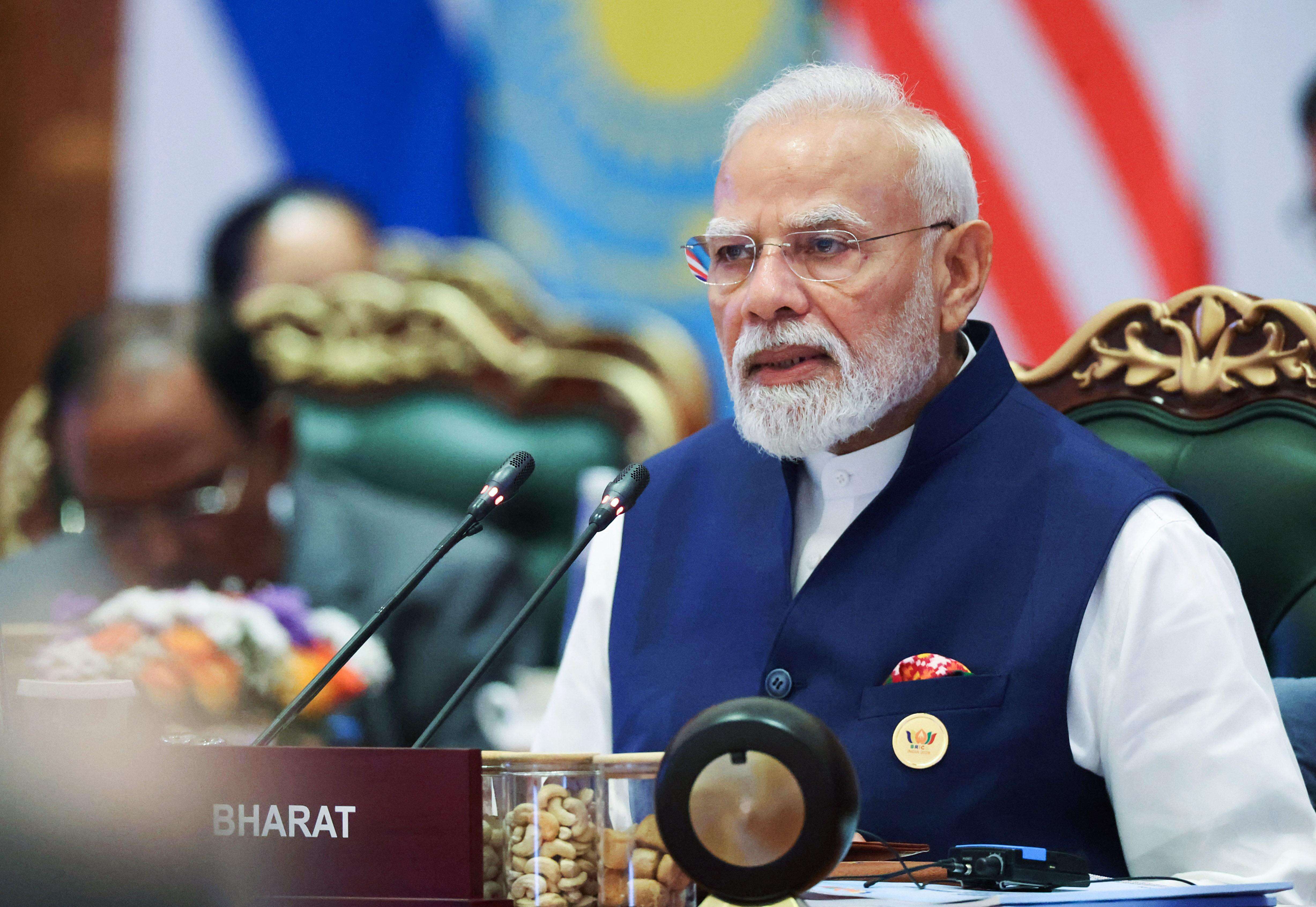
The use of illustrated biographical media within early childhood education centers represents a targeted approach to shaping socio-political consciousness at an formative age. By routing these materials through government-run anganwadi networks, state programs achieve massive distribution reach among rural and semi-urban families. The initiative highlights the intersection of cultural messaging and state-managed welfare infrastructure. Critics argue that utilizing foundational childcare facilities for political biography distribution blurs the boundary between public welfare administration and partisan outreach. Administrative staff tasked with distributing the materials often operate without alternative pedagogical choices, reflecting centralized directives from state coordination bureaus. This dynamic generates subtle institutional friction among educators concerned with ideological neutrality in early learning. The tangible outcome of this distribution strategy is the saturation of public grassroots spaces with synchronized political iconography. For young children, these texts form early cognitive associations with contemporary national figures. The long-term cultural impact remains a subject of intense debate among regional educators and political analysts.
Comments 0