Pedestrian Experiments Take Root in New Delhi's Connaught Place
The Inner Circle of Connaught Place will close entirely to vehicular traffic for an upcoming edition of Raahgiri Day. Municipal authorities aim to promote non-motorized urban mobility and reduce central air pollution.
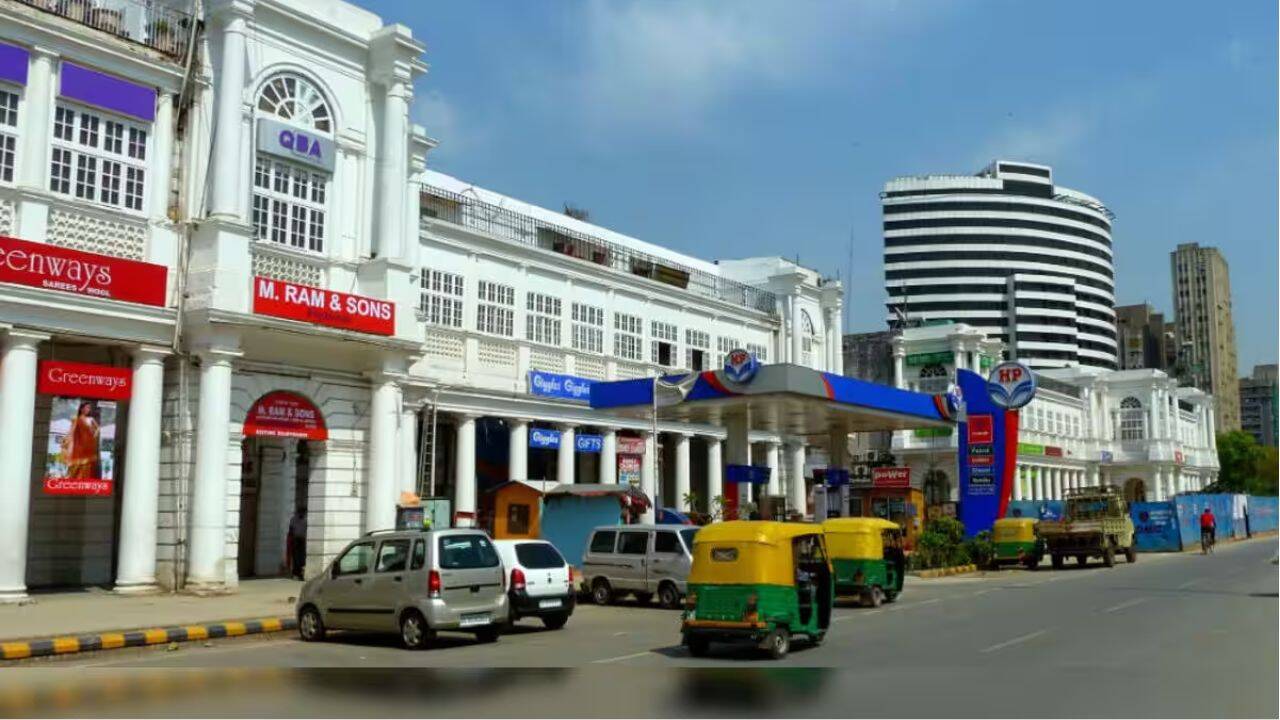
New Delhi's premier commercial district is temporarily reclaiming its colonial-era architectural design by banning automobiles from the central pedestrian zone. The municipal initiative seeks to transform concrete parking zones into open community spaces dedicated to cycling, walking, and cultural performances. Urban planners have long advocated for pedestrianizing the heritage market to mitigate the severe vehicular congestion that plagues the national capital's core business district. Commercial establishments within Connaught Place display a divided stance regarding these periodic vehicular bans. Restaurant owners and retailers generally welcome the influx of pedestrians, while office tenants and delivery operators cite logistical disruptions during weekday operations. Municipal authorities must navigate these competing commercial interests while balancing aggressive urban climate targets mandated by central environmental tribunals. The immediate consequence is a temporary respite from local vehicular emissions and a demonstration of alternative public space utilization in a dense metropolis. Urban governance models in Delhi are increasingly pressured to replicate such car-free zones across other commercial districts. This shift encourages long-term investments in municipal cycling infrastructure and pedestrian-first urban design paradigms.
Comments 0