Pentagon Accelerates Artificial Intelligence Deployment Despite Internal Risk Warnings
Defense department leaders are fast-tracking artificial intelligence integration across military operations despite persistent safety and ethical warnings. The strategy prioritizes operational speed over algorithmic caution.
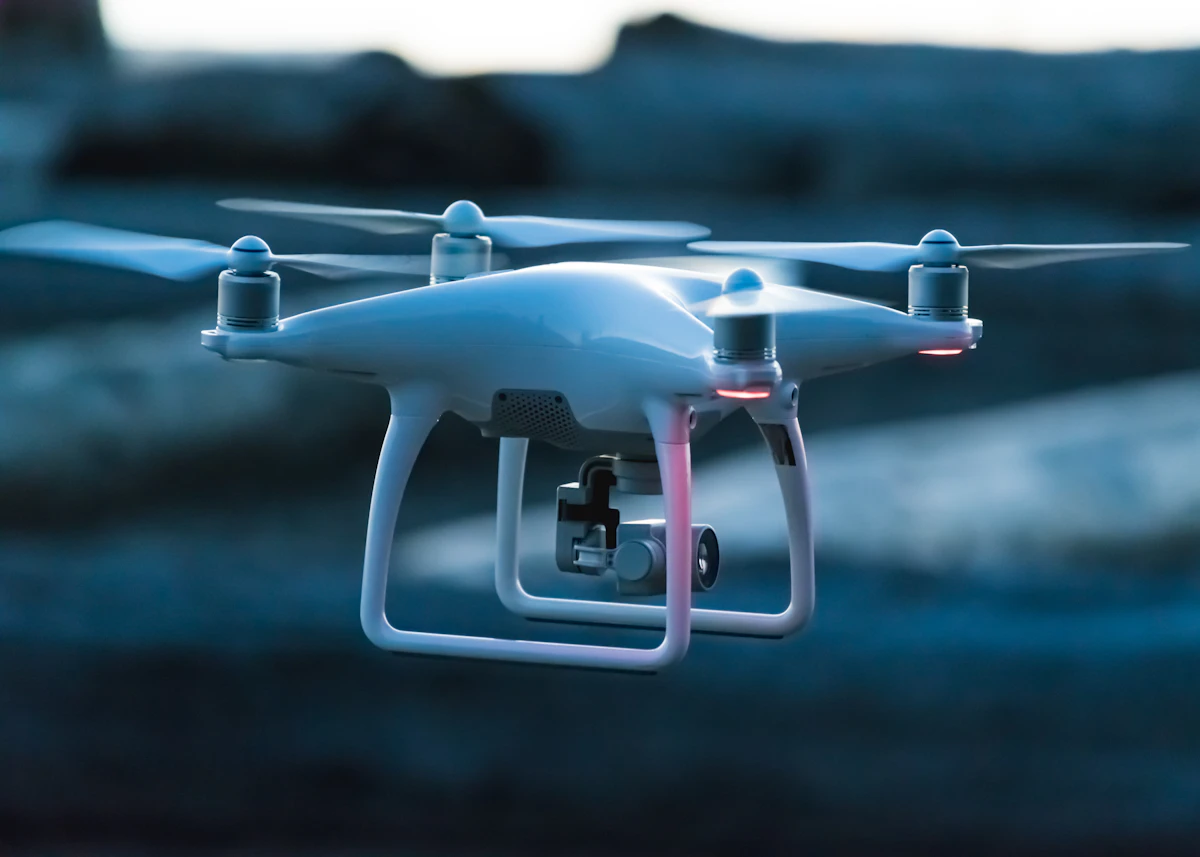
Military procurement officials inside the Pentagon are aggressively advancing artificial intelligence integration across battlefield command systems, brushing aside internal warnings from ethicists and software engineers regarding autonomous escalation risks. Department leadership maintains that adversarial nations are rapidly automating their defense architectures, creating an existential imperative for American forces to field machine learning tools without traditional bureaucratic delays. This push encompasses automated logistics, threat identification algorithms, and tactical decision-support systems designed to process combat data at unprecedented velocities. The friction within defense circles centers on the tension between rapid software deployment and rigorous safety testing. Technical advisors caution that deep learning models remain susceptible to adversarial spoofing, hallucination, and unpredictable behavioral anomalies when exposed to novel combat environments. However, operational commanders argue that excessive algorithmic caution creates fatal delays in modern high-speed conflicts, where engagement windows are measured in seconds rather than hours. The immediate consequence is a massive capital allocation toward private defense tech contractors specializing in neural network architectures and autonomous hardware integration. Military acquisition programs are bypassing standard multi-year review cycles to secure advanced software licenses. This structural shift positions algorithmic efficiency as the primary metric of national security readiness, fundamentally altering how future combat doctrines will be formulated.
Comments 0