Pentagon Priorities Shift as Navy Accelerates Autonomous Aircraft Deployment
The United States Navy plans to deploy autonomous Collaborative Combat Aircraft long before its next-generation manned fighter jet takes flight. This strategic recalibration reflects a shift toward cost-effective, scalable robotic systems designed to counter advanced air defense networks.
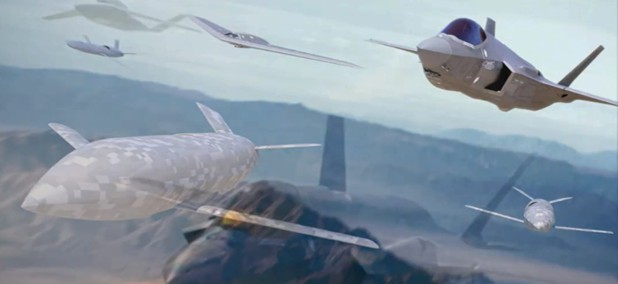
The United States Navy is set to field Collaborative Combat Aircraft far earlier than its next-generation manned strike platform, the F/A-XX, according to statements from senior defense nominees. This strategic re-sequencing marks a significant operational pivot away from sole reliance on costly human-piloted stealth fighters. Autonomous uncrewed aerial systems will now lead carrier air wing modernization, offering rapid deployment capabilities to carrier strike groups facing dense anti-access bubble environments. Defense officials emphasized that the development timeline for autonomous escorts has outstripped the lengthy engineering phases required for complex manned airframes.
This technological recalibration reflects intense institutional friction over defense budget allocation and procurement timelines within the Pentagon. Developing sixth-generation manned fighters demands massive long-term capital investments that risk fiscal obsolescence before reaching operational readiness. In contrast, autonomous robotic platforms can be manufactured at scale, upgraded via software iterations, and deployed as low-cost attritable assets in contested maritime spaces. Navy leadership faces mounting pressure from congressional oversight committees to deliver combat-ready tactical mass into the Indo-Pacific theater without waiting decades for traditional defense acquisition cycles to conclude.
The accelerated arrival of uncrewed wingmen will fundamentally transform aircraft carrier operations and tactical doctrine across naval aviation squadrons. Fleet commander tactical planning will increasingly rely on human-machine teaming concepts, where single piloted aircraft command swarms of autonomous sensors and strike nodes. Legacy aerospace contractors accustomed to multi-billion-dollar manned fighter contracts must now adapt to rapid software-centric hardware production models. The shift consolidates a modern doctrine that prioritizes distributed lethality and operational adaptability over monolithic, high-cost manned platforms.
Comments 0