Persian Gulf Flashpoint: Seven Vessels Struck as Oil Markets Brace for Supply Shock
Iran’s Revolutionary Guard has claimed responsibility for hitting seven ships in the Persian Gulf, including oil tankers, triggering an immediate surge in global crude prices. This escalation signals a return to kinetic maritime conflict, threatening the stability of the world’s most critical energy corridor.
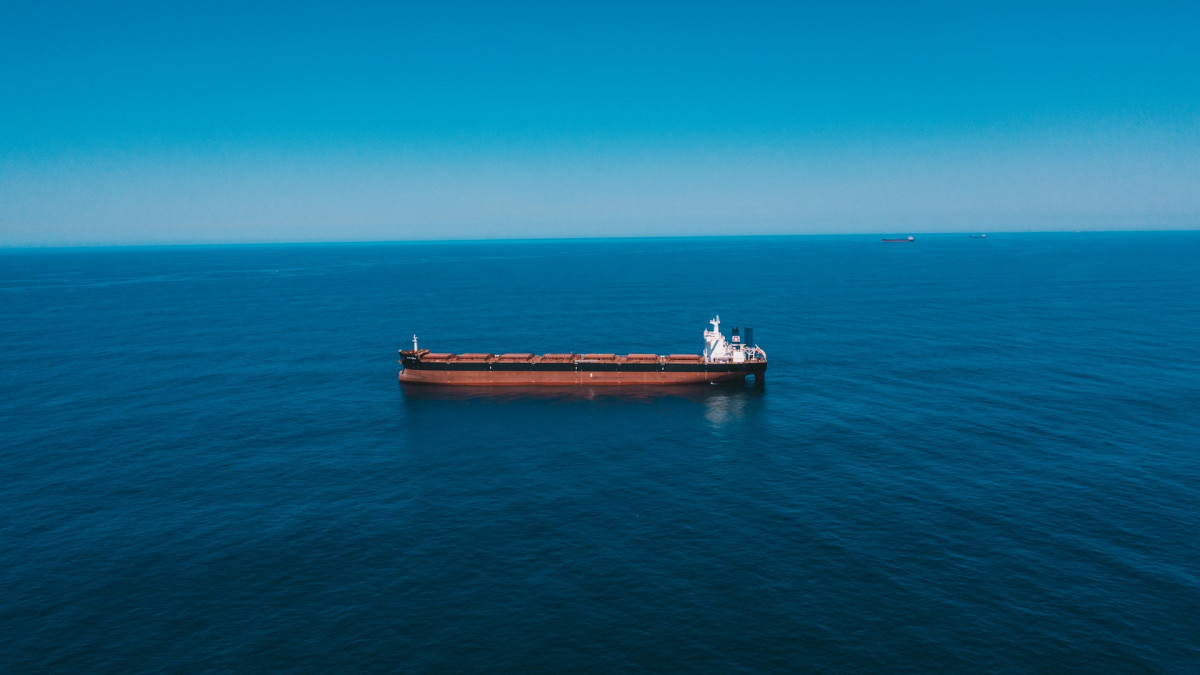
The calm waters of the Persian Gulf have been shattered by a series of violent incidents that have sent ripples through the global energy market. The Islamic Revolutionary Guard Corps Navy has asserted that seven vessels, a significant portion of which are oil tankers, were either struck by Iranian forces or hit by mines within the last twenty-four hours. This is not merely a localized skirmish; it is a deliberate signal of capability and intent to disrupt the flow of hydrocarbons that underpin the global economy. The immediate shockwave is visible in the trading floors of New York and London, where crude oil prices have spiked in response to the fear of a prolonged supply disruption. The incident marks a stark departure from the recent period of relative calm, reintroducing the threat of direct state-sponsored violence against commercial shipping.
The underlying tension stems from the ongoing geopolitical standoff between Iran and the Western powers, exacerbated by the broader regional conflicts in the Middle East. The use of mines and direct strikes suggests a shift in Iran’s strategic doctrine, moving from asymmetric proxy warfare to direct maritime interdiction. This institutional friction between Iran’s desire to project power and the international community’s demand for free navigation is reaching a boiling point. The involvement of oil tankers specifically indicates that the economic lifeline of the region is now a primary target. This escalation forces the United States and its allies to reconsider their naval deployments in the region, potentially leading to a more confrontational posture that could further inflame tensions.
The downstream casualties of this conflict are the global consumers and the shipping industry, which now face the prospect of higher insurance premiums and longer transit times. The tangible outcome is a sustained increase in energy costs, which will feed into inflationary pressures worldwide. For India, a major importer of Persian Gulf oil, this means higher import bills and potential strain on the trade deficit. The long-term consequence is a reevaluation of energy security strategies, with nations likely to seek alternative supply routes or accelerate the transition to renewable energy to reduce dependence on vulnerable maritime chokepoints. The incident serves as a stark reminder that the global energy system remains fragile and susceptible to geopolitical shocks.
Comments 0