Petrol Export Duty Dropped, Diesel Levy Raised: Government Rebalances Fuel Taxation
On October 31 the Indian government eliminated a modest export duty on petrol while increasing the diesel excise to Rs 11.5 per litre, a move aimed at stabilising domestic fuel prices and supporting the transport sector. The policy shift is expected to alter market dynamics, influence refinery margins, and reshape regional price differentials.
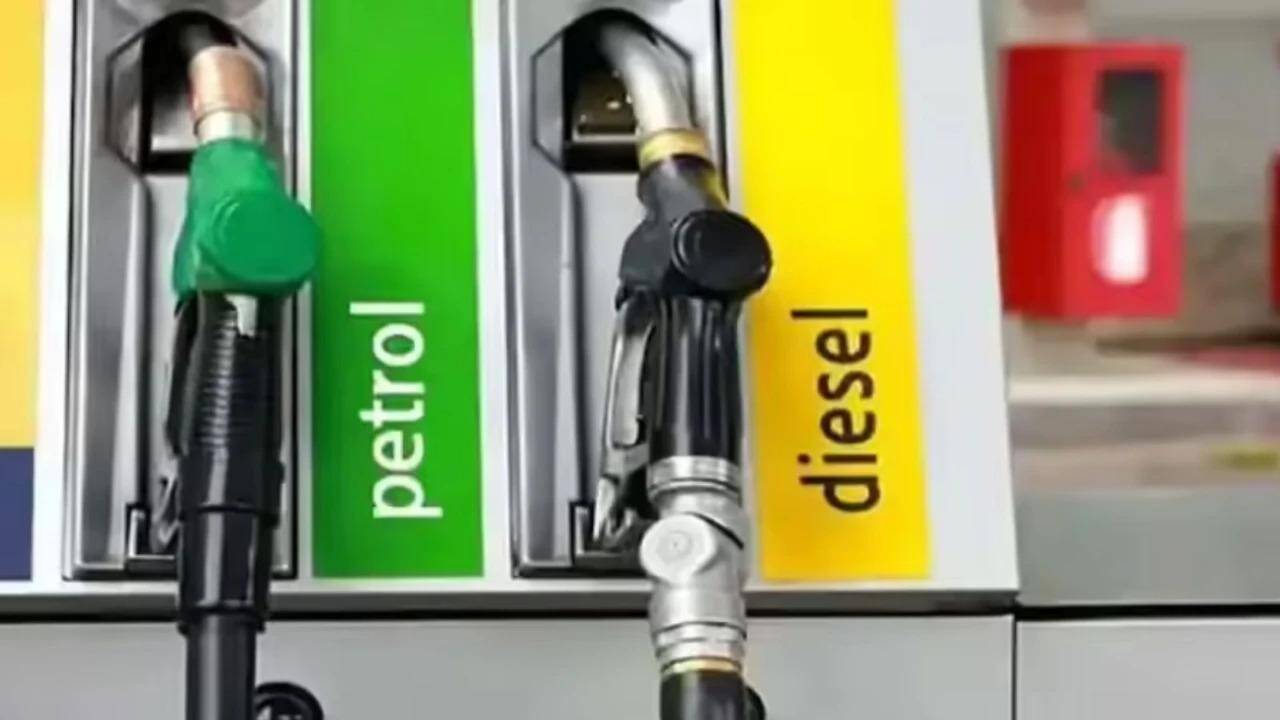
In a brief announcement, the Ministry of Finance declared the removal of the Rs 2.5 per litre export duty that had applied to petrol shipments, citing a need to keep domestic supply ample and prices affordable for consumers. Simultaneously, the diesel excise was raised to Rs 11.5 per litre, a step intended to offset revenue losses and address the higher demand for diesel in freight and public transport. The dual adjustment reflects a balancing act between encouraging exports and protecting the domestic market from price volatility.
The decision arrived amid rising concerns from oil refiners who warned that the export duty had constrained their ability to capitalize on favourable international prices. Industry analysts note that the diesel levy increase will raise operating costs for logistics firms, potentially prompting a shift toward alternative fuels or more efficient fleets. The move also aligns with the government's broader fiscal strategy to narrow the fiscal deficit without resorting to broad‑based tax hikes that could stifle growth.
Early market reactions showed a modest dip in diesel prices at major retail outlets, while petrol prices remained relatively steady. Traders anticipate that the removal of the export duty may revive petrol shipments to neighboring markets, enhancing refinery utilisation rates. Over the next twelve months, the policy could stimulate investment in diesel‑efficient technologies and reshape the competitive among Indian oil companies, while also influencing regional price parity with neighboring countries.
Comments 0