PM Modi’s Digital Rhetoric: A Cultural Dig at Opposition Politics
Prime Minister Modi’s reference to the video game Grand Theft Auto in a social media post has been interpreted as a pointed critique of the opposition’s political strategies. This move underscores the government’s strategic use of pop culture to engage younger demographics and frame political discourse.
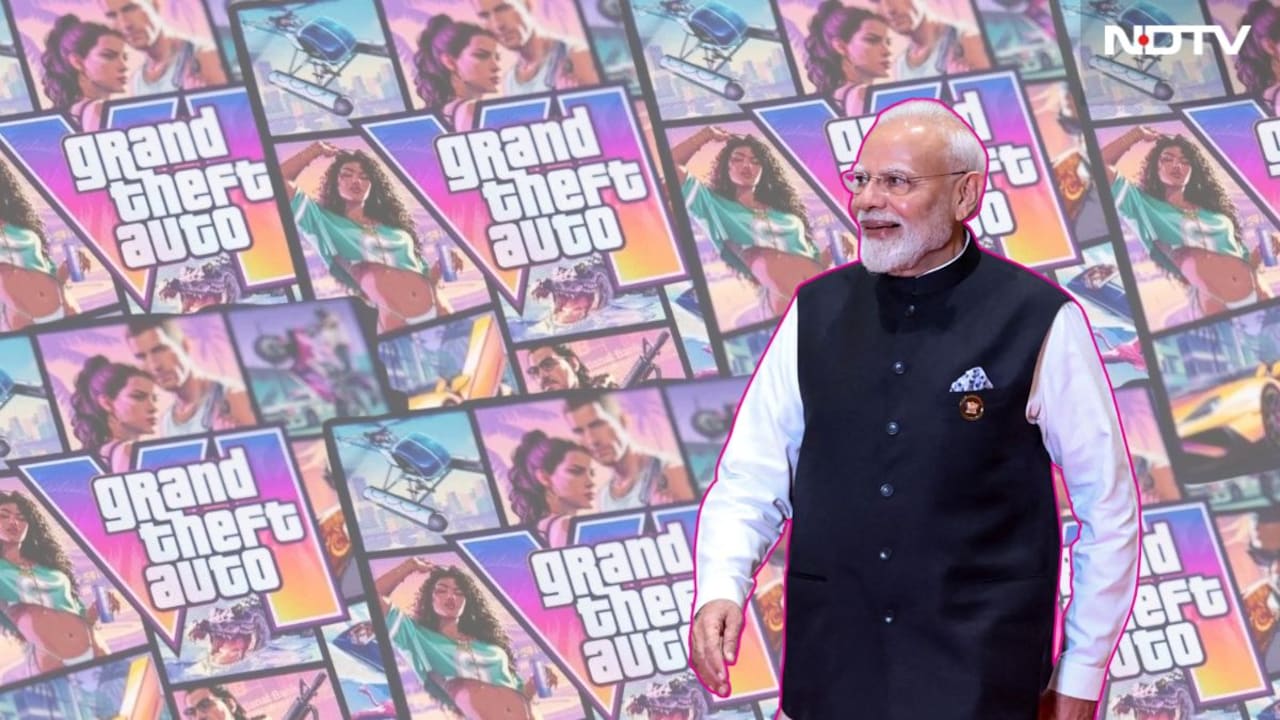
The concrete rupture in political communication occurred when Prime Minister Modi employed a reference to the popular video game Grand Theft Auto in a social media post. This digital rhetoric was widely interpreted as a subtle but sharp dig at the previous UPA government and current opposition parties, framing their political maneuvers as chaotic or illegitimate. The use of such a specific cultural reference signals a deliberate shift in how the ruling party communicates with the electorate, moving beyond traditional political language to the vernacular of digital entertainment.
The underlying tension involves the ongoing battle for the narrative in Indian politics, where the ruling party seeks to define the opposition’s actions through the lens of popular culture. Institutional friction is evident in the way political opponents react to such informal yet potent symbols, often struggling to counter a narrative that resonates with a younger, digitally native audience. This approach reflects a broader trend in global politics where leaders leverage social media and pop culture to bypass traditional media filters and connect directly with the public.
The downstream casualties include a potential fragmentation of political discourse, where complex policy debates are reduced to cultural memes and symbolic gestures. The tangible outcome is a strengthened engagement of the ruling party with younger voters, who are increasingly the deciding factor in electoral outcomes. This strategy may lead to a further polarization of political identity, where allegiance to a party is tied not just to policy but to a shared cultural and digital identity.
Comments 0