Polish Premier Visits India to Forge Defence Industry Alliances
Prime Minister Donald Tusk's arrival in India signals a decisive pivot in Warsaw's strategic calculus, seeking to embed Polish defence manufacturing within India's expanding industrial base. The visit aims to convert diplomatic goodwill into tangible supply chain integration, positioning both nations as counterweights to traditional arms dependencies.
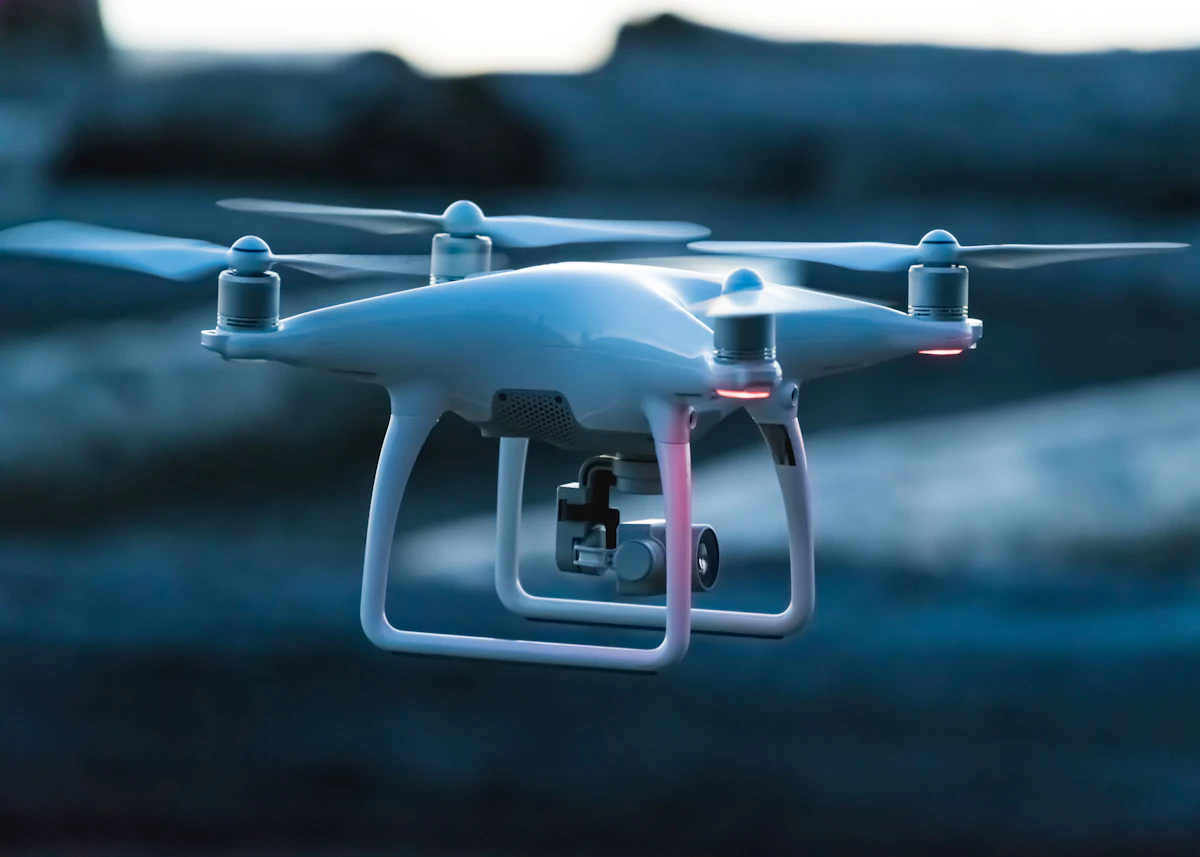
The arrival of Polish Prime Minister Donald Tusk in New Delhi marks a significant escalation in bilateral defence cooperation, moving beyond ceremonial gestures toward substantive industrial partnership. The Polish delegation is focused on identifying specific sectors where Polish engineering capabilities can complement India's massive domestic production targets under the Atmanirbhar Bharat initiative. This is not merely a trade discussion but a structural alignment of two nations seeking to reduce reliance on Western and Russian arms suppliers, creating a new axis of defence self-reliance in the Indo-Pacific and European theatres.
The underlying tension driving this engagement is the urgent need for both nations to secure sovereign control over their defence supply chains. For India, the goal is to transform from a net importer to a global exporter of defence hardware, a status that requires access to advanced European technologies and manufacturing standards. For Poland, the post-invasion security environment in Europe has accelerated the need for diversified sources of military equipment, making India's growing industrial capacity an attractive and strategic alternative. The friction lies in the complex negotiations over intellectual property rights, technology transfer, and the long-term viability of joint ventures that must satisfy both domestic regulatory frameworks.
The tangible outcome of this visit will be determined by the signing of specific Memorandums of Understanding that move beyond intent to contractual obligation. Success will be measured by the establishment of joint production units for drones, small arms, and naval systems, which will create new employment clusters in both countries. The downstream impact includes a potential reshaping of global defence markets, where the India-Poland corridor could offer a competitive alternative to the established US-Europe and Russia-China supply lines, thereby altering the geopolitical balance of power in the coming decade.
Comments 0