Political Activities Like Dharna, Hunger Strikes & Satyagraha Have No Place In Constitutional Democracy: Kerala High Court
The Kerala High Court ruled that political protests such as hunger strikes and satyagraha have no place within educational institutions. The judges emphasized that schools and colleges are dedicated to imparting education, not serving as arenas for political activism.
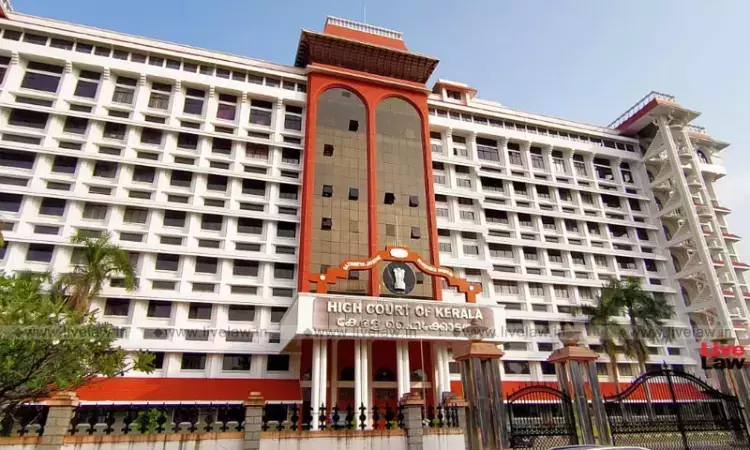
The Kerala High Court has issued a significant ruling stating that political activities, including dharna, hunger strikes, and satyagraha, are incompatible with the constitutional framework of a democratic society when conducted within educational premises. The bench clarified that the primary function of schools and colleges is to provide quality education and academic growth. By introducing political agitation into these spaces, the sanctity of the learning environment is compromised, potentially distracting students and staff from their core educational objectives. This decision aims to preserve the neutrality of academic institutions and ensure they remain focused on intellectual development rather than political discourse.
The court further noted that while citizens have the right to freedom of speech and expression, this right does not extend to using educational institutions as platforms for political mobilization. The judges argued that the presence of political protests can create an atmosphere of tension and division, which is detrimental to the harmonious environment required for effective teaching and learning. Educational institutions are meant to be inclusive spaces where students from diverse backgrounds can learn together without being exposed to the pressures of political conflict. This ruling reinforces the idea that political activism should be conducted in public spaces or through legitimate political channels, not within the walls of schools and universities.
For readers in India, this ruling carries significant implications for the ongoing debate about the role of educational institutions in social and political movements. It sets a precedent that may be cited in future cases involving protests on campus, potentially limiting the ability of student groups to organize political activities within their institutions. The decision underscores the importance of maintaining a clear separation between academic pursuits and political engagement, ensuring that education remains the primary focus. This could influence how universities and colleges manage student activism and political expression in the coming years, encouraging a shift towards more structured and off-campus forms of political participation.
Comments 0