Political Realignment in Punjab Redraws Electoral Boundaries Ahead of Polls
The Bharatiya Janata Party has absorbed prominent members of the Badal family lineage into its fold ahead of the 2027 Punjab assembly elections. This strategic maneuver signals a aggressive push to dismantle traditional regional power structures.
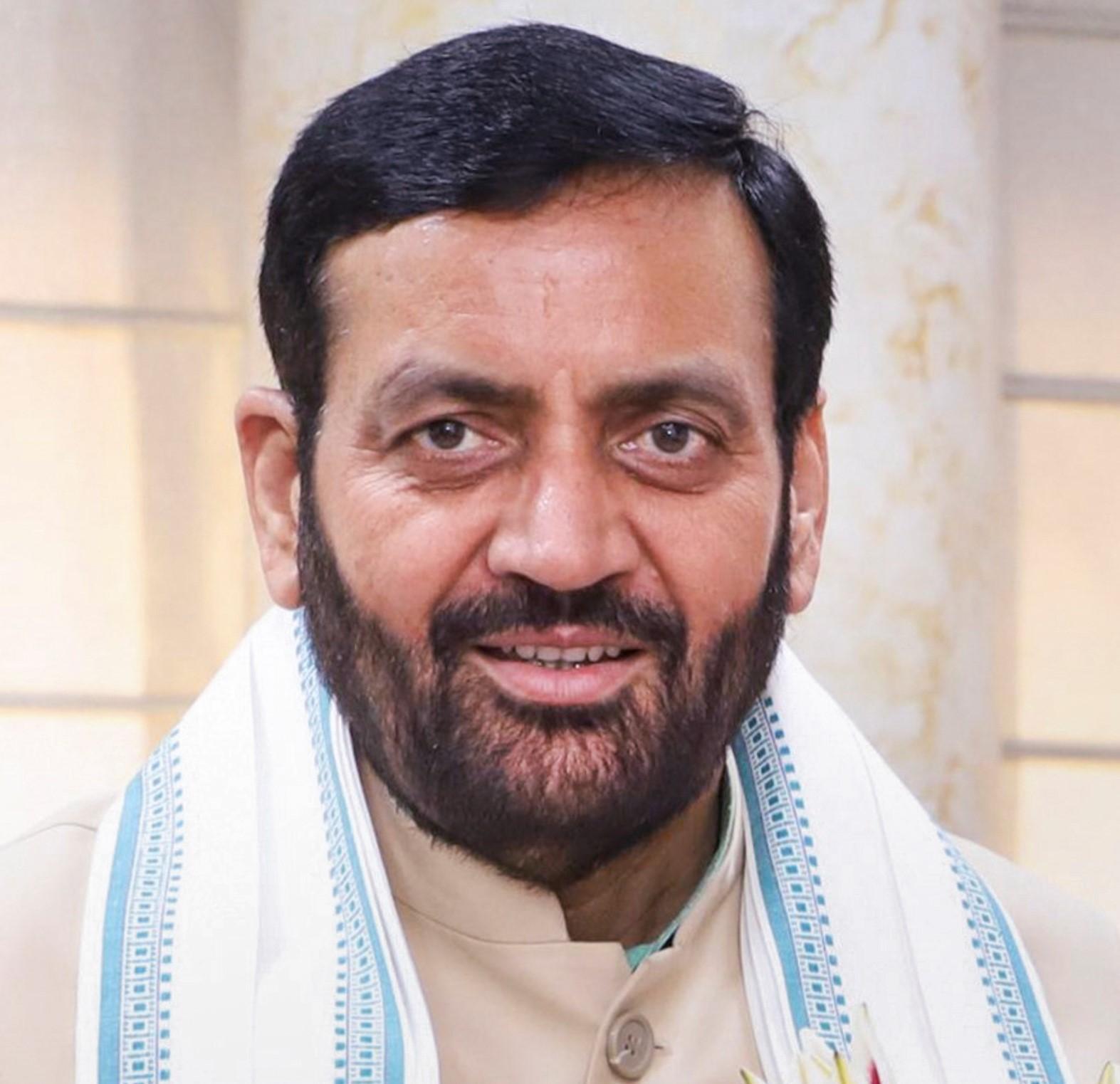
Punjab politics has entered a volatile phase of consolidation as national parties systematically dismantle traditional regional dynasties. By inducting key relatives of the late Parkash Singh Badal, the ruling national party aims to secure an indigenous Jat Sikh anchor in a state historically resistant to its primary electoral appeal. This calculated absorption destabilizes the Shiromani Akali Dal, forcing fractured opposition factions into frantic defensive alignments. The friction driving this political migration lies in the declining electoral potency of legacy regionalism against heavily resourced national machinery. As traditional agrarian narratives lose persuasive power among younger rural demographics, ambitious political heirs seek refuge within larger administrative apparatuses capable of securing state resources. This trend hollows out historic regional parties, reducing state-level politics to a binary contest between national hegemonies and emerging local challengers. The tangible outcome is a severely fragmented opposition across Punjab, leaving the political field wide open for ideological realignments. Minor players face existential threats as polarising national rhetoric dominates local discourse, marginalizing agrarian economic concerns. The downstream consequence will likely be an increasingly polarized electoral outcome in 2027, devoid of moderate regional voices.
Comments 0