Political Realignments and Employment Promises in Uttar Pradesh
Opposition leadership in Uttar Pradesh has seized upon public frustration over recruitment delays by promising a systematic waiting list framework for government jobs. The proposed policy directly targets the anxieties of aspirants navigating opaque state selection commissions.
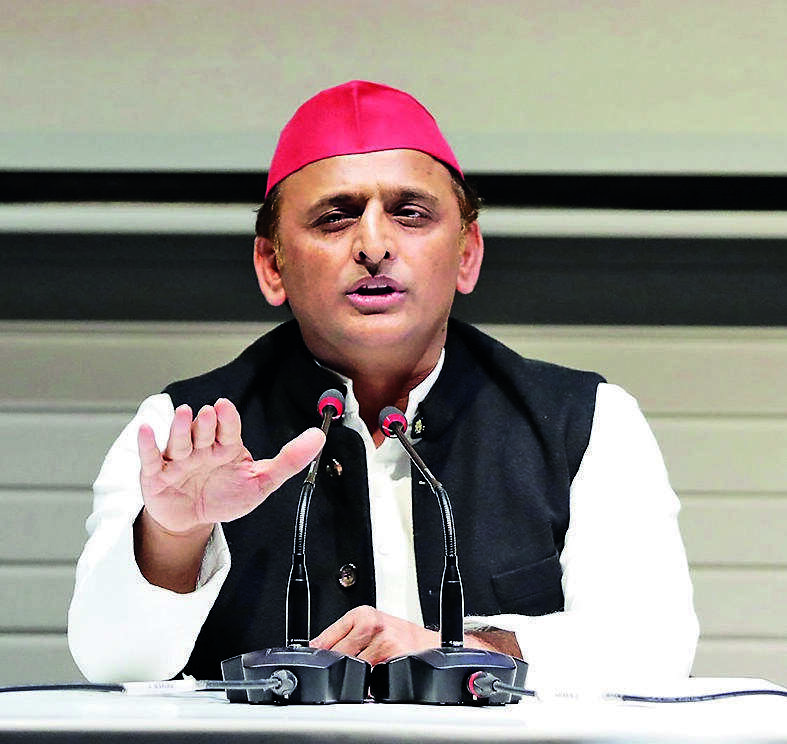
The political arena in Uttar Pradesh intensified as major political figures capitalized on persistent administrative backlogs within the Uttar Pradesh Subordinate Services Selection Commission. Millions of candidates face years of uncertainty due to cancelled examinations, delayed results, and vacant posts across government departments. In response, opposition parties introduced a comprehensive waiting list architecture designed to automatically fill vacancies when selected candidates forfeit their positions. The proposed reform directly challenges the existing recruitment methodology, which leaves thousands of subordinate posts vacant for years after initial selection rounds conclude. Government defenders argue that administrative protocols require fresh examinations for every vacancy to maintain equity among new applicants. Conversely, critics and job seekers contend that the current system benefits corrupt intermediaries who exploit procedural delays for financial gain. Implementing a permanent waiting list system would fundamentally alter the career trajectories of millions of aspirants while reshaping patronage networks within state employment. If enacted, the policy would accelerate bureaucratic replenishment, reducing the political vulnerability of whichever coalition holds power. However, it also demands rigorous administrative oversight to prevent manipulation of the secondary allocation lists.
Comments 0