Political Realignments Take Shape in Uttar Pradesh as New Coalitions Challenge Traditional Castes
The political architecture of Uttar Pradesh is undergoing a subtle transformation with the emergence of new regional alignments and alternative social justice platforms. Parties are actively courting marginalized constituencies to disrupt long-standing electoral equations ahead of upcoming legislative contests.
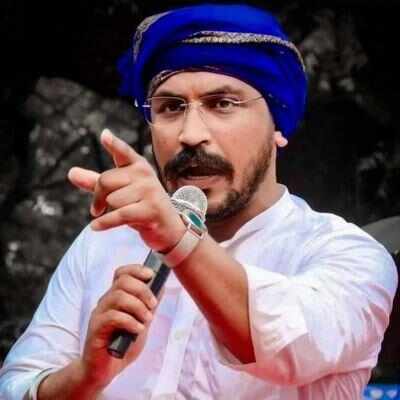
Political strategists in Lucknow are closely monitoring shifting voter loyalties among non-dominant backward classes and Scheduled Castes who feel overlooked by mainstream political organizations. New regional leadership figures are successfully mobilizing these communities around specific socioeconomic grievances, bypassing traditional identity politics. This grassroots mobilization threatens to fragment the monolithic vote banks that historically determined electoral outcomes in the country's most populous state. Mainstream parties are scrambling to recalibrate their candidate selection committees and social coalition formulas to prevent massive vote erosion. This competition exposes deep ideological friction within state party headquarters as entrenched leaders resist ceding ticket allocations to rising alternative factions. The resulting internal dissent threatens to weaken campaign unity and create openings for independent spoilers. The tangible consequence of this political realignment is a more fiercely contested electoral map where victory margins will shrink considerably. Local candidates are forced to invest heavily in hyper-local community outreach rather than relying solely on overarching party waves. Over the next year, state legislative debates will increasingly reflect the policy demands of these newly mobilized marginalized groups.
Comments 0