Political Realignments Threaten the Future of the House Freedom Caucus in Washington
Conservative lawmakers within the House Freedom Caucus debate their strategic evolution as the post-Trump political era approaches. The legislative bloc seeks to redefine its legislative identity following years of populist insurgencies.
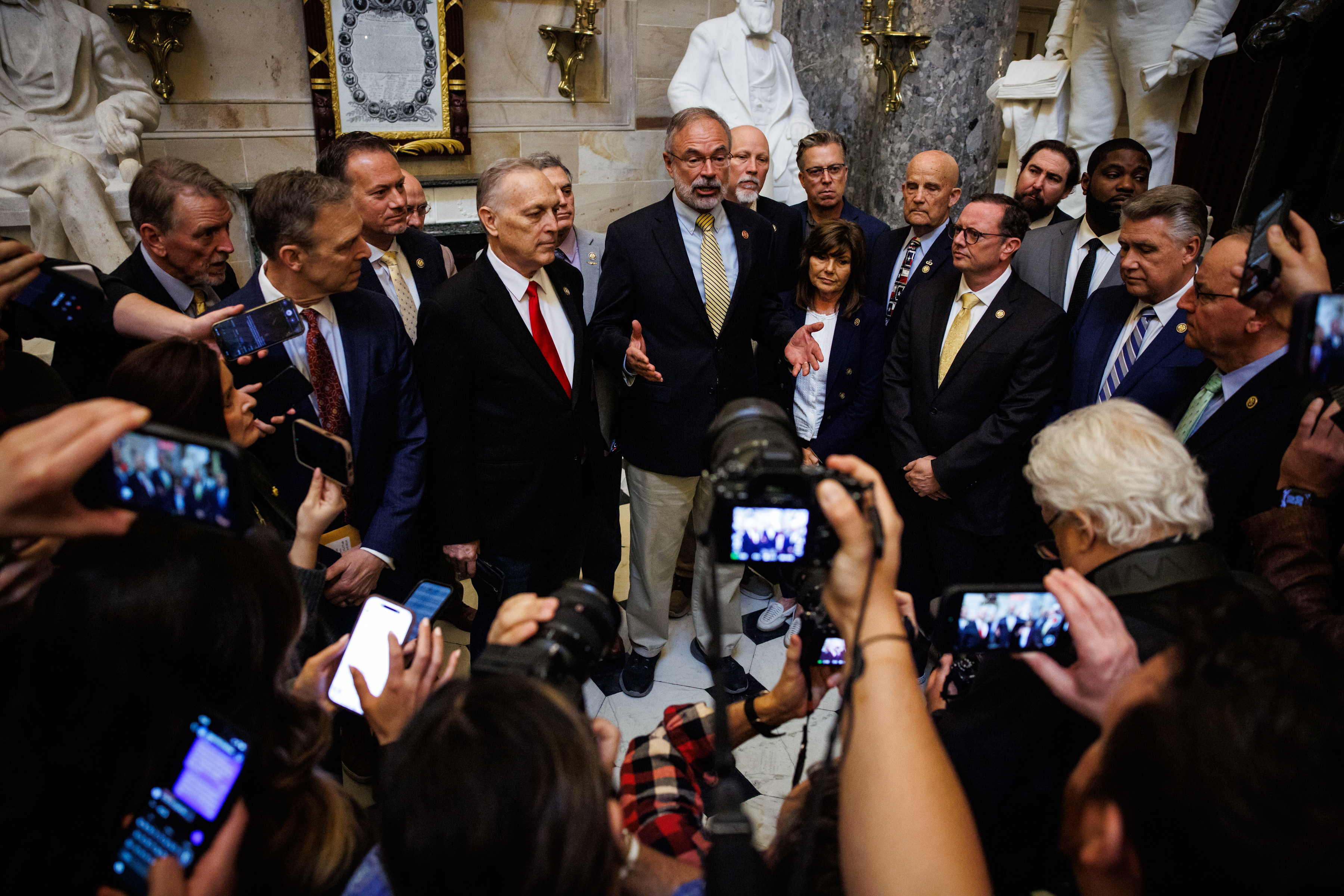
Prominent conservative members of the United States House of Representatives are evaluating the long-term trajectory of the Freedom Caucus. Having gained significant institutional leverage alongside the rise of populist politics, the faction now confronts the reality of a changing executive leadership . Lawmakers are debating whether to maintain disruptive obstruction tactics or transition toward institutional negotiation. Internal divisions plague the caucus as senior members balance ideological purity against pragmatic legislative outcomes. The group previously operated as an unyielding roadblock to party leadership, leveraging procedural rules to extract policy concessions. As the political environment shifts away from past insurgent dynamics, members struggle to maintain relevance without continuous confrontation. An internal transformation of this conservative bloc alters the legislative mechanics of the American federal government. Congressional leaders may find it easier to pass bipartisan spending bills if the hardline faction softens its procedural intransigence. Conversely, a fragmented conservative caucus could trigger internal party warfare over committee chairmanships and leadership succession.
Comments 0