Political Strife Erupts Over Proposed Chandigarh Health Cadre Restructuring
Regional political parties in Punjab have launched coordinated opposition against plans to establish an isolated Chandigarh health cadre. Critics argue the move threatens regional bureaucratic autonomy and undermines established medical administration standards.
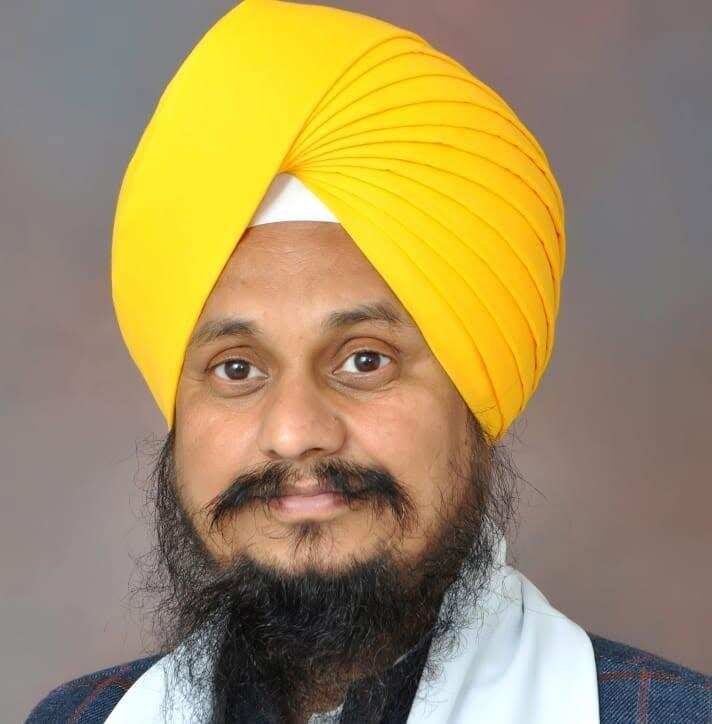
Administrative centralization efforts in Chandigarh have once again ignited fierce regional resistance from Punjab political factions. Opposition parties, including the Shiromani Akali Dal, formally rejected the central proposal to institute a dedicated health cadre for the union territory, framing the policy as an insidious encroachment on local governance. The administrative realignment seeks to decouple medical staff management from broader regional frameworks, triggering widespread anxiety among healthcare professionals. At the core of the friction lies a persistent struggle over administrative jurisdiction between regional stakeholders and central authorities. Local political entities view these bureaucratic alterations as systematic attempts to dilute Punjab influence over administrative machinery in the shared capital territory. Healthcare workers unionized in the region have also voiced apprehension regarding career progression transparency and transfer policies under the proposed standalone cadre structure. The ensuing political deadlock stalls necessary healthcare modernization initiatives while administrative agencies grapple with institutional paralysis. Public health delivery systems within the territory remain vulnerable to bureaucratic infighting as policymakers trade accusations over federal overreach. The dispute underscores the volatile nature of administrative reforms in politically sensitive union territories.
Comments 0