Possessive partner, Facebook fights, adoption twist: What police found in Kolkata techie murder probe
Police investigating the murder of a Kolkata technology professional uncovered a complex domestic dispute involving a controlling partner, heated arguments on Facebook, and a contested adoption plan. The findings highlight how online interactions and family matters can intersect with violent outcomes.
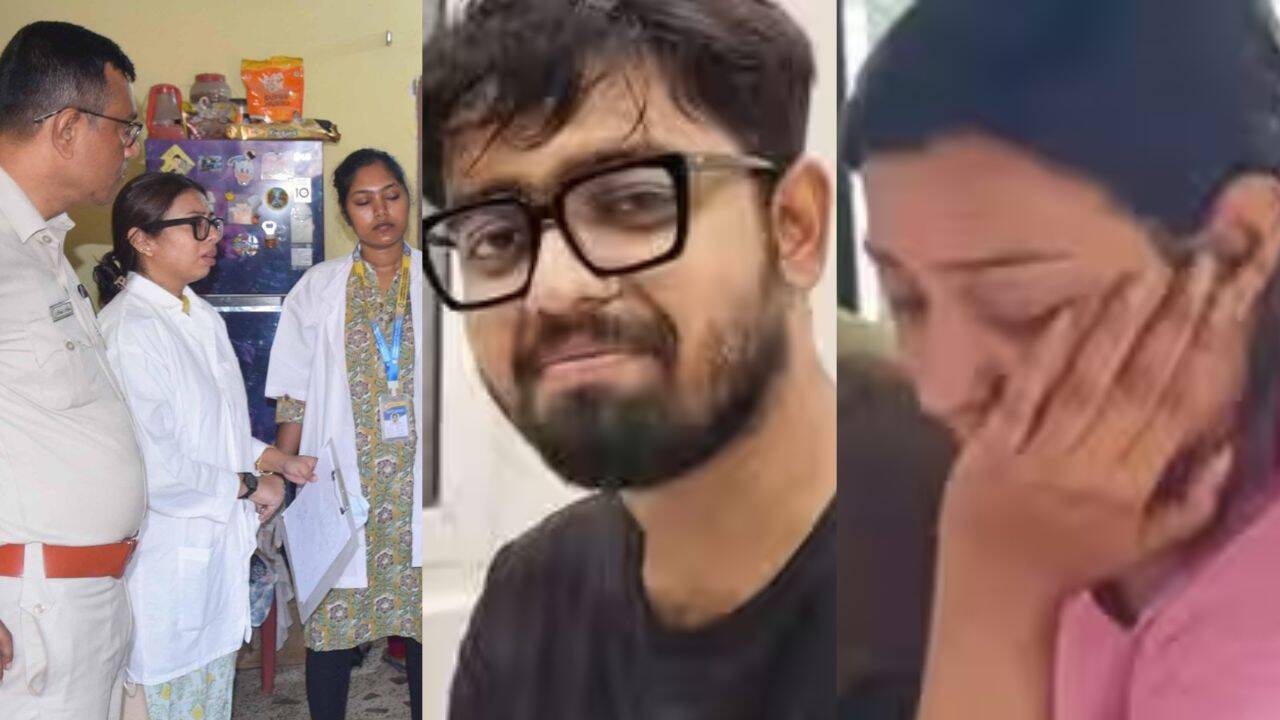
The investigation began after the body of a 32‑year‑old software engineer was discovered in a residential area of Kolkata. Detectives quickly identified the victim's spouse as a person of interest after learning that the couple had been involved in a series of intense arguments on the social media platform Facebook. The online exchanges, which were retrieved from the victim's account, revealed accusations of infidelity, threats of separation, and disagreements over the future of an adoption the couple was pursuing. These digital traces formed a core part of the evidence that led police to focus on the partner's possible motive.
Further forensic work showed that the partner had a history of possessive behavior, documented by neighbors and friends who reported frequent surveillance of the victim's movements. The adoption process itself added another layer of tension, as the couple had recently submitted paperwork to adopt a child, a step that required both parties to demonstrate a stable home environment. Family members close to the case indicated that the partner feared losing control over the household should the adoption be approved, which may have intensified the conflict. Investigators also noted that the partner had attempted to delete relevant Facebook messages, a move that suggested an awareness of the potential evidentiary value of the online dialogue.
The case has sparked a broader conversation about the role of digital footprints in criminal investigations and the importance of addressing domestic abuse before it escalates. Legal experts point out that Indian courts have increasingly accepted social media records as admissible evidence, especially when they shed light on the dynamics of a relationship. For readers in India, the story serves as a reminder that personal disputes played out in public digital spaces can have serious legal consequences, and that support mechanisms for victims of controlling behavior remain essential. Police continue to gather additional testimony and forensic data, while the judicial process moves toward filing formal charges against the suspect.
Comments 0