Prime Minister Declares Fertiliser Subsidy as Top Priority for Farmers
The cabinet cleared a new rabi fertiliser subsidy scheme, positioning it as the government’s foremost commitment to the agricultural sector. The move aims to cushion farmers against volatile global commodity prices and rising input costs.
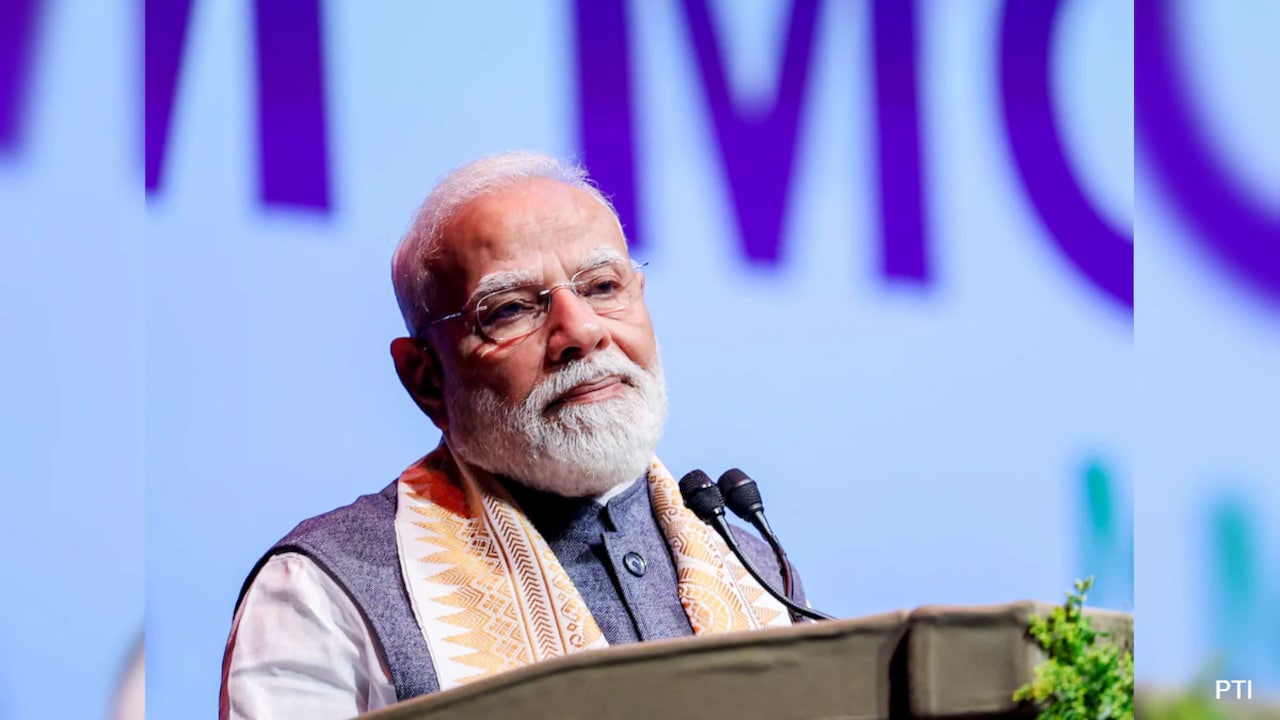
In a televised address, the Prime Minister affirmed that the central government would leave no stone unturned to improve the lives of cultivators, even as worldwide economic conditions strain domestic markets. The newly approved subsidy reduces the cost of nitrogen‑based fertilisers for the upcoming rabi season, directly lowering the outlay for millions of smallholders who depend on timely inputs to secure yields. The policy is expected to be implemented through existing distribution channels, ensuring rapid disbursement before sowing commences.
The announcement arrives amid heightened tension between the Ministry of Agriculture and several state governments over budget allocations and the pricing of essential inputs. Critics argue that the subsidy could exacerbate fiscal deficits, while supporters contend that it averts a potential surge in rural distress that could translate into broader social unrest. The decision also reflects the administration’s strategy to pre‑empt opposition narratives that portray the government as indifferent to agrarian hardships.
Early indicators suggest that the subsidy may stabilize farm‑gate prices for staple crops, thereby tempering inflationary pressures in the food sector. However, the fiscal impact could compel the finance ministry to re‑evaluate spending in other priority areas, potentially delaying infrastructure projects. The policy’s success will hinge on efficient delivery mechanisms and the ability to prevent leakages that have plagued previous subsidy schemes.
Comments 0