Prime Minister Modi Reflects on Twenty-Five Years in Public Office and Crisis Management
Prime Minister Narendra Modi has reflected on his quarter-century executive tenure, highlighting lessons learned from historic crises including the Bhuj earthquake and the pandemic. Emphasizing a philosophy of selfless duty, the address surveyed the evolution of governance and media dynamics in India.
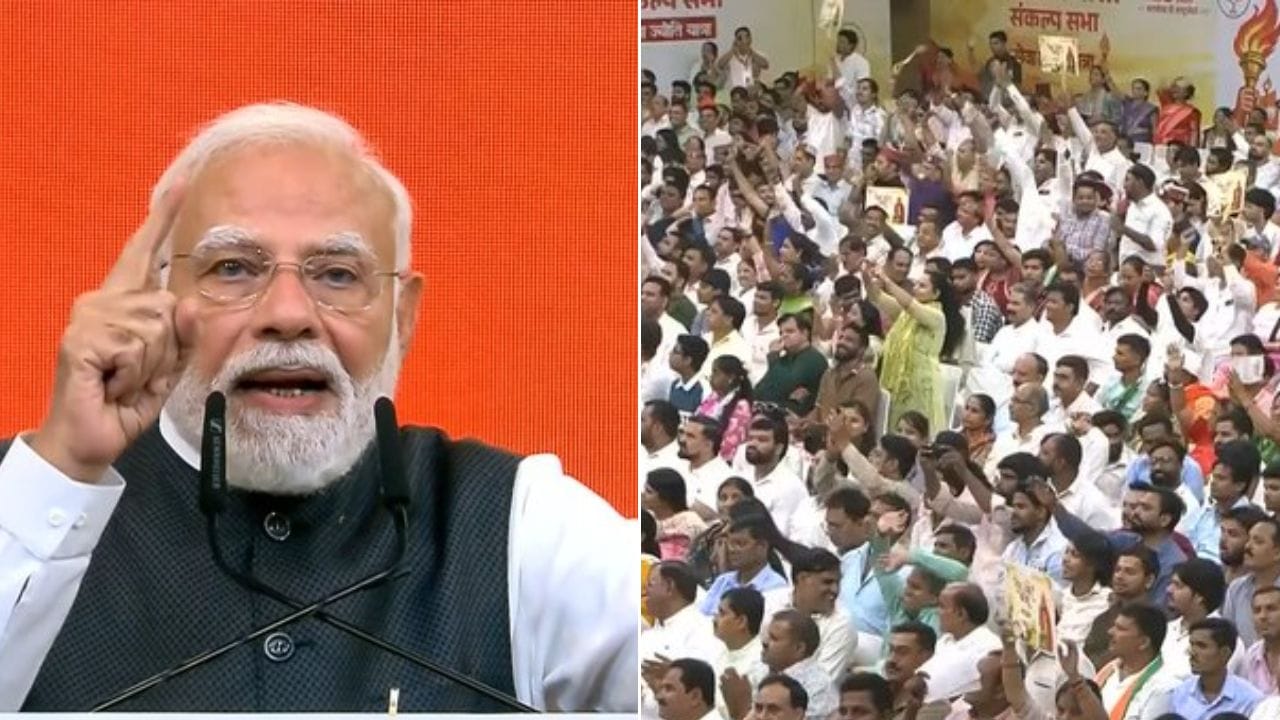
Marking twenty-five years in continuous executive governance, Prime Minister Narendra Modi delivered an extensive retrospective on administrative resilience and crisis response. Recalling the devastation of the Bhuj earthquake and the operational hurdles of the COVID-19 pandemic, the Prime Minister framed his political journey around institutional adaptation and disaster management. The address served as an ideological statement on state capacity, emphasizing that executive leadership must prioritize structural reform over short-term political populism. The political establishment in Delhi routinely analyzes such milestones to gauge executive priorities and anticipate administrative shifts. Critics frequently question the centralization of power during these administrations, while supporters point to massive infrastructure rollouts and digital public goods as proof of effective statecraft. The intersection of modern media platforms and executive messaging formed a core component of the retrospective, illustrating how state communications have evolved. The immediate outcome is a reinforced narrative of administrative continuity as the governing coalition charts its legislative agenda for the remainder of the term. Downstream, bureaucratic machinery is directed to institutionalize the disaster response frameworks developed over the past two decades. The address sets an ideological baseline for the central government's administrative philosophy heading into upcoming electoral cycles.
Comments 0