Private Label Hegemony Squeezes Traditional Giants Out of Retail Aisles
Store brands like Kirkland are capturing dominant market share as household budgets tighten globally. National manufacturers now face severe margin compression and declining shelf presence across major retail chains.
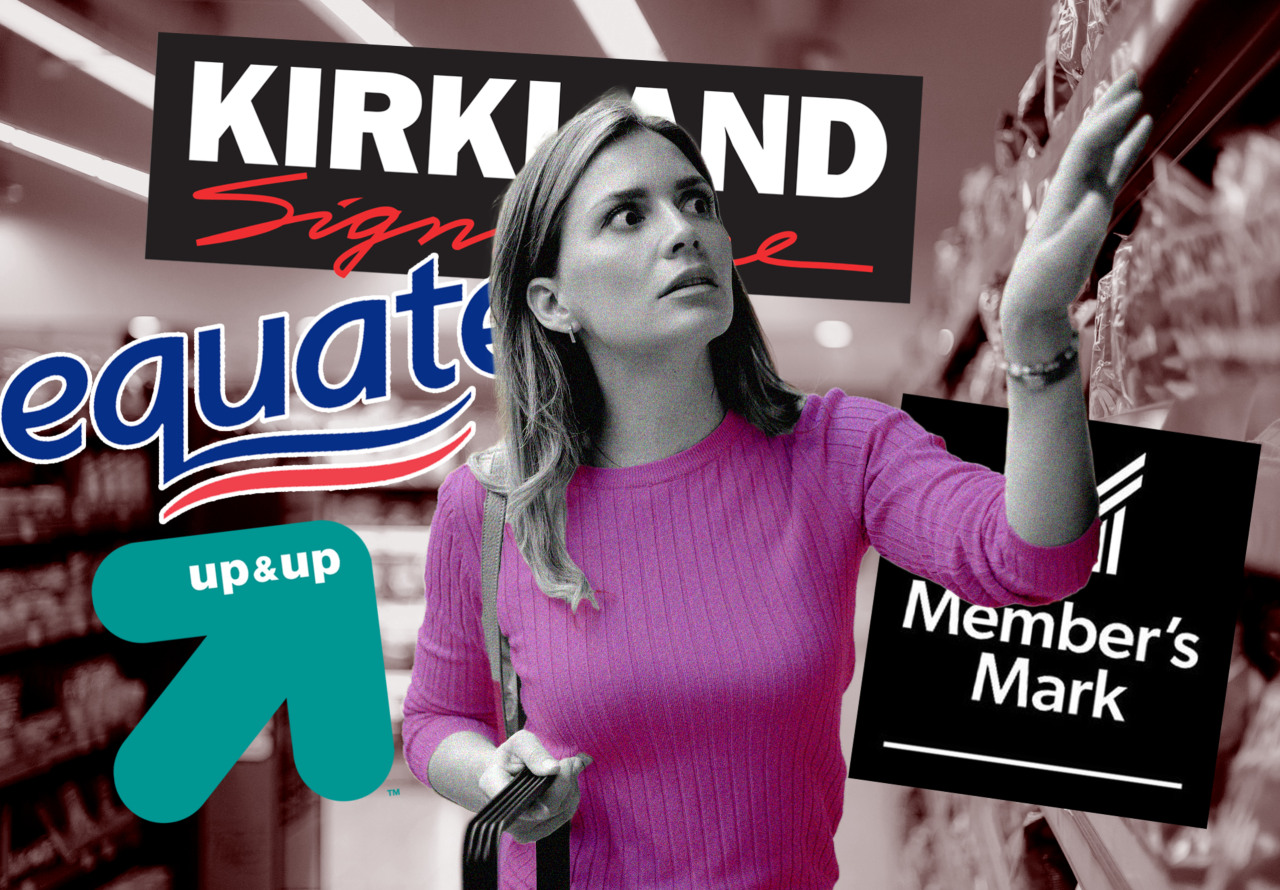
The steady erosion of legacy brand dominance has reached an inflection point across international retail markets. Consumers navigating sustained economic pressures are increasingly abandoning household names in favor of proprietary store equivalents, recognizing identical manufacturing standards at a fraction of the cost. This consumer migration has fundamentally altered the power dynamics between traditional manufacturing giants and dominant supermarket chains. Supermarket executives have systematically leveraged proprietary data analytics to identify high-margin product categories, replicating national brand formulations under in-house labels. Traditional manufacturers, long accustomed to commanding premium pricing through aggressive marketing budgets, find themselves boxed out of primary shelf space. Retailers now dictate terms, effectively transforming iconic consumer goods into commoditized alternatives that serve the house brand's bottom line. The resulting margin contraction forces legacy conglomerates into defensive restructuring, often resulting in workforce reductions and reduced research and development expenditure. Meanwhile, nimble private-label suppliers reap windfall profits, cementing a permanent structural shift in consumer goods procurement. National brands must now compete purely on differentiation or risk total displacement from modern retail commerce.
Comments 0