Private Management Model Pitched to Rescue Neglected Historic Water Bodies in Bihar
Municipal authorities in Patna are advancing a five-year operational lease for the historic Adalatganj pond complex to private agencies. The shift acknowledges municipal incapacity to maintain critical urban ecological infrastructure.
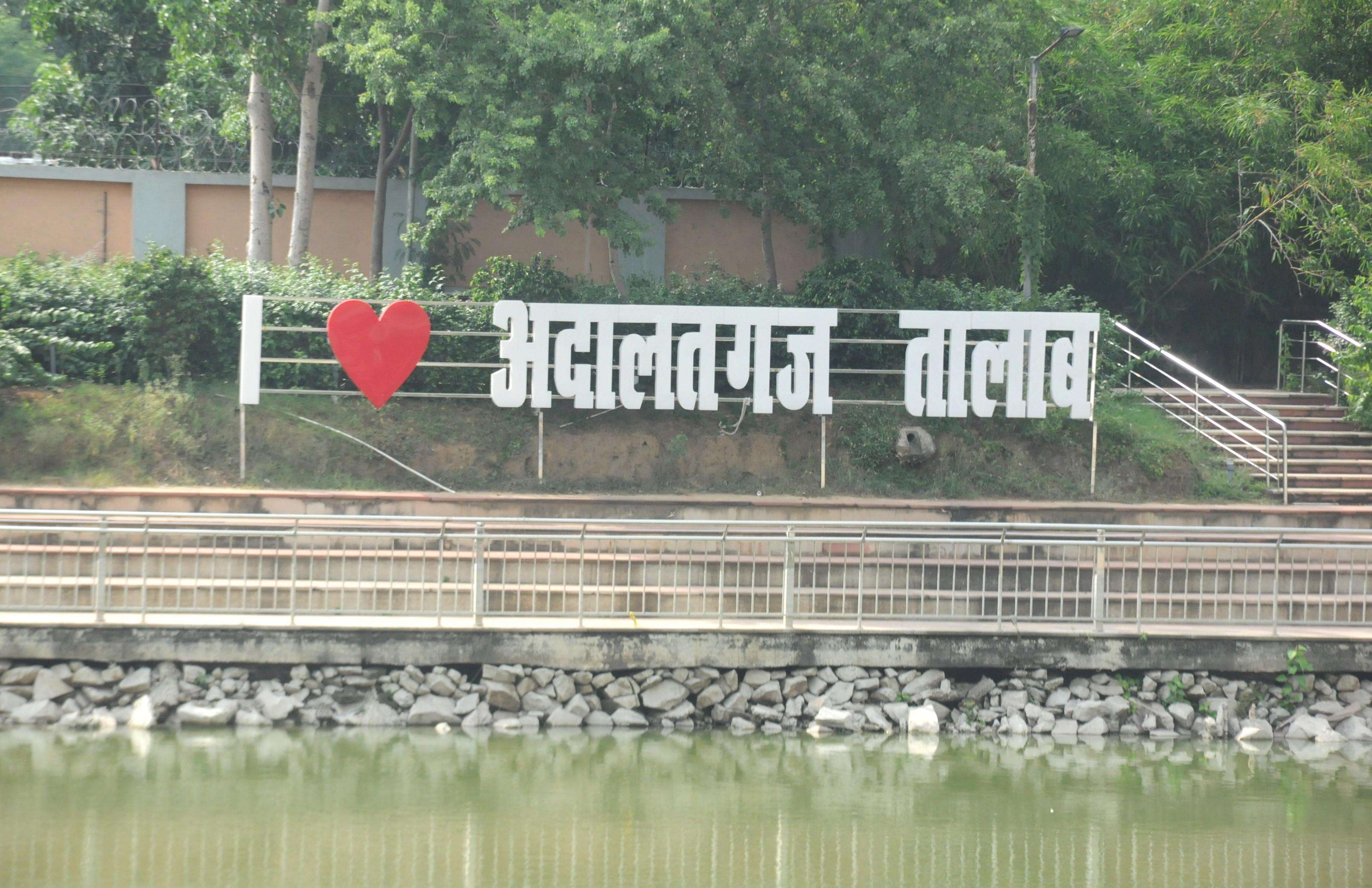
Urban water management in Bihar is undergoing a reluctant paradigm shift as municipal bodies cede control of vital heritage water bodies to private corporate entities. The Adalatganj pond complex, long suffering from siltation, sewage influx, and bureaucratic neglect, is slated for outsourced commercial and ecological stewardship. This contracting out reflects an acute institutional realization that traditional municipal departments lack the technical competence and budgetary discipline required to restore degraded urban wetlands. The friction driving this arrangement stems from deep skepticism surrounding public-private partnerships in civic commons management. Local heritage preservationists worry that private operators will prioritize commercial monetization, such as ticketing and events, over genuine ecological restoration and public access. Bureaucrats, conversely, defend the move as an unavoidable pragmatic necessity dictated by dwindling municipal coffers and rigid civil service inefficiencies. The downstream consequence will serve as a definitive municipal benchmark for urban commons management across eastern India. If the private agency successfully rejuvenates the water body while remaining financially viable, expect a wave of similar outsourcing contracts for parks, lakes, and drainage networks. Failure, however, will harden public opposition to commercializing public spaces and leave vital ecological nodes vulnerable to irreversible decay.
Comments 0