Protesters in Delhi Face Legal Vulnerabilities Under New BNSS Provisions
Senior Advocate Rebecca John has highlighted that detained protesters in India receive fewer legal safeguards than those arrested for heinous crimes under the new Bharatiya Nagarik Suraksha Sanhita. This legal disparity has raised concerns about the rights of peaceful demonstrators in the capital.
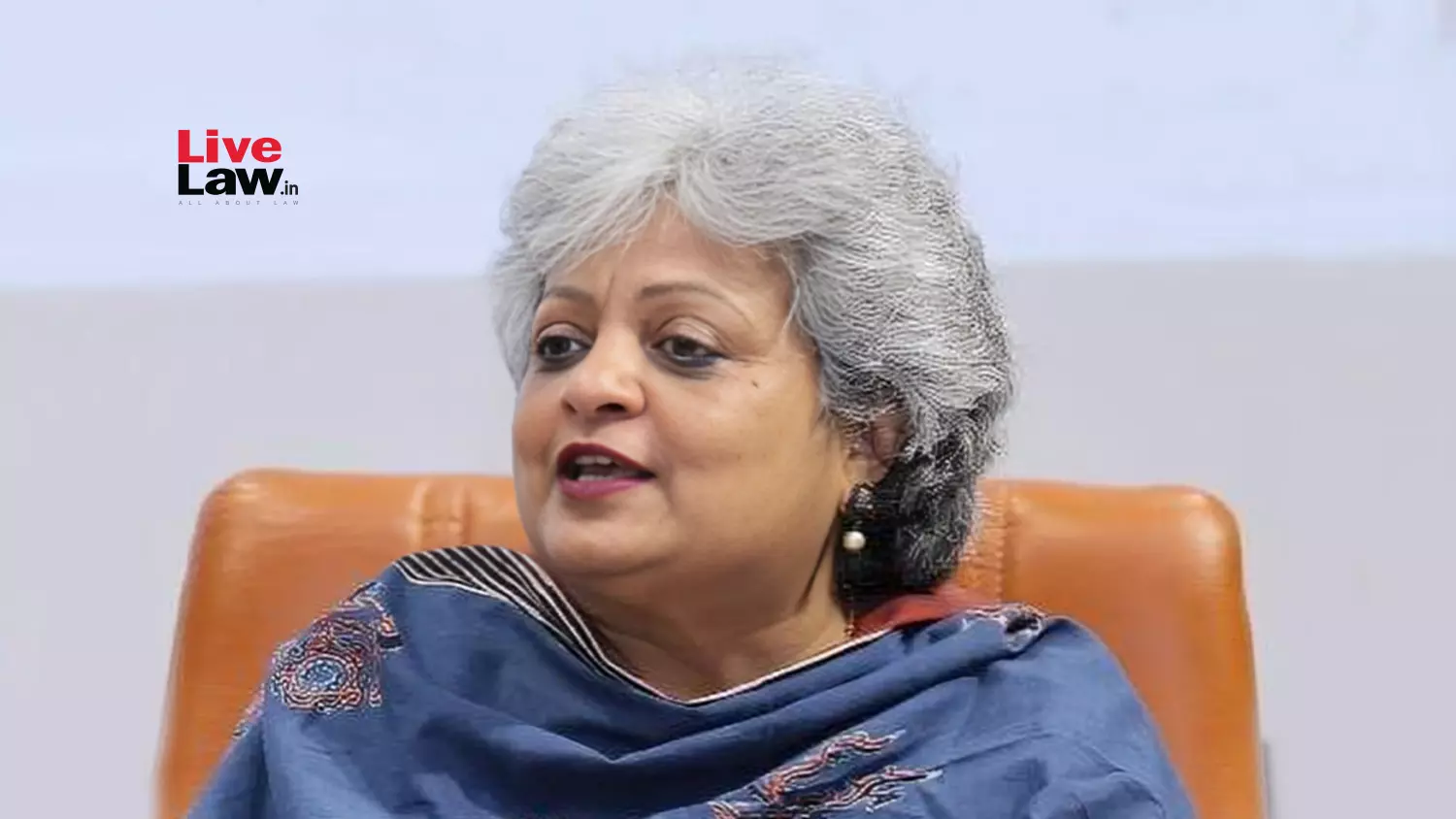
The concrete rupture in the legal is the revelation that protesters detained in Delhi face fewer safeguards than individuals arrested for serious crimes under the BNSS. This finding, brought to light by Senior Advocate Rebecca John, highlights a significant gap in the protection of civil liberties. The immediate shockwave is a renewed debate on the balance between public order and the right to protest. The incident underscores the vulnerability of demonstrators who may be subjected to harsher treatment than those accused of violent offenses, raising questions about the fairness of the legal system.
The underlying tension is the institutional friction between the state's desire to maintain public order and the citizens' right to express dissent. The BNSS and the Delhi Police Act are designed to make protests unpalatable, according to John, suggesting a deliberate strategy to curb dissent. This friction is exacerbated by the lack of clear guidelines on the treatment of protesters, leading to arbitrary enforcement and potential abuse of power. The result is a system where the rights of peaceful demonstrators are often overlooked in favor of maintaining a facade of order, creating a chilling effect on civil society.
The downstream casualties of this legal disparity are the individuals and groups who rely on protest as a means of expressing their grievances. The tangible outcome is a weakened civil society, where the fear of legal repercussions deters people from engaging in peaceful dissent. For the legal community, it represents a challenge to uphold the principles of justice and equality in the face of legislative changes that may undermine fundamental rights. The broader impact is a potential erosion of democratic norms, where the right to protest is no longer protected but instead suppressed.
Comments 0