PSPCL to Recruit 450 Clerks and 2,500 Apprentices in Punjab
The Punjab State Power Corporation Limited (PSPCL) has announced the recruitment of 450 clerks and 2,500 apprentices in the lineman trade. This move aims to address the chronic staffing shortage in the power sector and improve service delivery in the state.
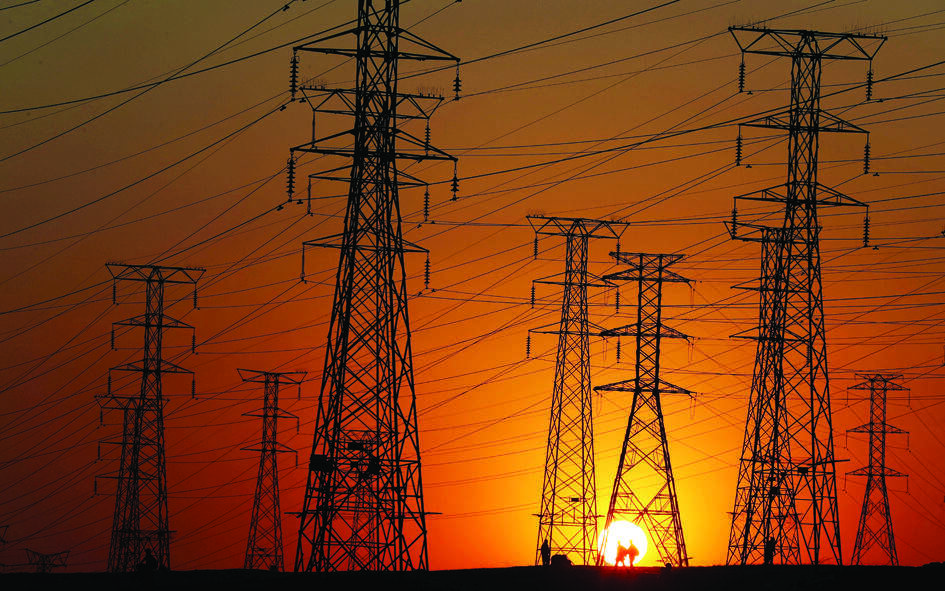
The Punjab State Power Corporation Limited (PSPCL) has announced a significant recruitment drive, seeking to hire 450 clerks and 2,500 apprentices in the lineman trade. This move is a direct response to the acute manpower shortage that has plagued the power sector in Punjab, leading to delays in maintenance, repairs, and new installations. The recruitment of apprentices is particularly important, as it aims to build a pipeline of skilled technicians who can support the aging workforce and ensure the long-term sustainability of the power grid. The announcement is a welcome relief for the thousands of applicants who have been waiting for job opportunities in the public sector.
The underlying tension in the power sector is the gap between the demand for reliable electricity and the capacity of the workforce to meet it. The chronic understaffing has led to increased workloads for existing employees, resulting in burnout and a decline in service quality. The institutional friction is evident in the bureaucratic processes that often delay recruitment and the lack of investment in training and development. The decision to recruit a large number of apprentices reflects a recognition of the need for a long-term solution to the manpower crisis. However, the success of this initiative will depend on the quality of training provided and the retention of the new hires.
The downstream outcomes of this recruitment drive are likely to be positive for the power sector in Punjab. The addition of new clerks and apprentices will help to reduce the workload on existing staff and improve the efficiency of operations. The training of new technicians will also contribute to the modernization of the power grid and the adoption of new technologies. The tangible outcome is an improvement in the reliability and quality of electricity supply, which is for the economic development of the state. The long-term impact will depend on the government’s commitment to supporting the power sector and investing in human capital.
Comments 0