Psychological Autopsies Proposed Following Tragic Student Suicide at IIT Bombay
Mental health professionals are strongly advocating for structured psychological autopsies to uncover systemic institutional factors contributing to student suicides. The expert recommendation follows a tragic fatality at the premier technological institute, urging administrative reforms in campus welfare.
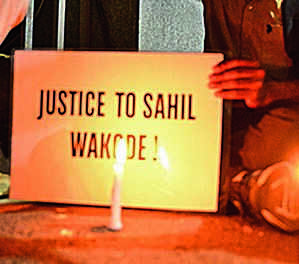
Prestigious higher education campuses across India continue to grapple with intense academic pressures, structural isolation, and psychological distress among students. Mental health experts meeting in Mumbai emphasized that standard investigative procedures fail to capture the complex psychosocial drivers behind academic suicides. Implementing psychological autopsies allows trained clinicians to interview peers and family members to identify preventable institutional triggers. Institute administrators face mounting pressure from student collectives demanding independent audits of counseling infrastructure and grading transparency. Faculty members expressed concern over heavy pedagogical workloads that leave minimal bandwidth for personalized student mentorship and emotional support. Institutional resistance to external psychological oversight has historically hampered efforts to implement meaningful campus welfare reforms. Adopting systematic psychological autopsies will force technical universities to transition from reactive crisis management to proactive mental health surveillance. The empirical data gathered will likely mandate structural changes in academic evaluation models, reducing the risk of burnout among vulnerable student cohorts.
Comments 0