PT Usha takes IOA election battle to IOC, seeks probe into alleged violations
Indian Olympic Association president PT Usha has escalated her dispute over recent elections by seeking an independent inquiry from the International Olympic Committee. She alleges that the Special General Meeting was marred by serious procedural violations that undermine the legitimacy of the current leadership.
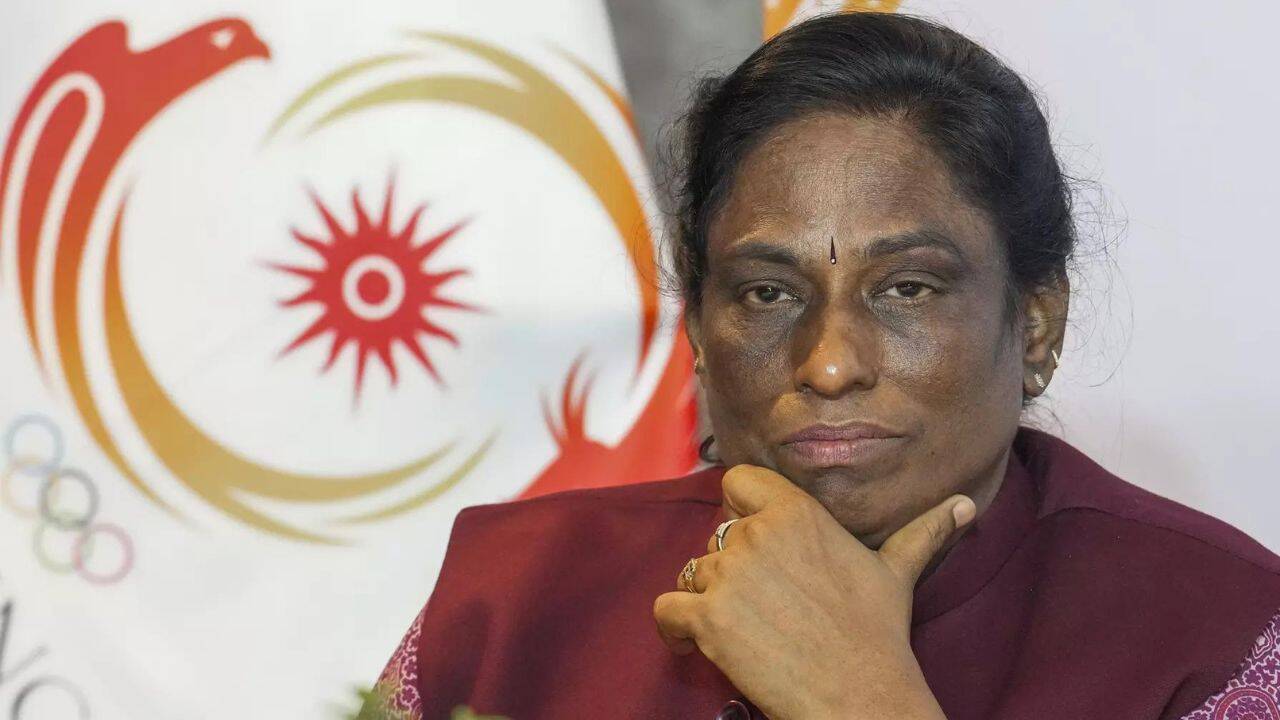
The internal conflict within Indian sports governance has reached the highest international level as PT Usha, the current president of the Indian Olympic Association, has formally requested the IOC to investigate the conduct of the recent Special General Meeting. Usha has raised significant concerns regarding the election process, arguing that serious violations occurred that compromised the fairness and transparency of the proceedings. By taking this matter to the IOC, she is seeking an independent probe to validate her claims and potentially overturn the results of the contested vote.
This move highlights the deepening rift within the IOA, where allegations of procedural irregularities have cast a shadow over the organization's democratic processes. For readers in India, this is not merely an internal administrative issue but a critical matter for the nation's sporting integrity. The IOA serves as the bridge between Indian athletes and the global Olympic movement, and any instability at its helm can disrupt funding, athlete selection, and the country's standing in international sports. A prolonged legal or political battle risks distracting from the core mission of supporting Indian athletes.
The IOC is expected to review the evidence presented by Usha, which may include documentation of voting irregularities or breaches of the IOA's own constitution. If the IOC finds merit in her complaints, it could lead to a reset of the electoral process or the appointment of an interim committee. This development underscores the increasing scrutiny on Indian sports bodies to adhere to strict governance standards. The outcome will likely set a precedent for how future disputes within national Olympic committees are handled, potentially influencing the broader of sports administration in the country.
Comments 0