Public Outrage Erupts Over Abrupt Closure of Washington Kennedy Center
Thousands of demonstrators have flooded the streets to protest the unexpected closure of the Kennedy Center in Washington. Fears are mounting that political maneuvering is paving the way for the demolition of the cultural institution.
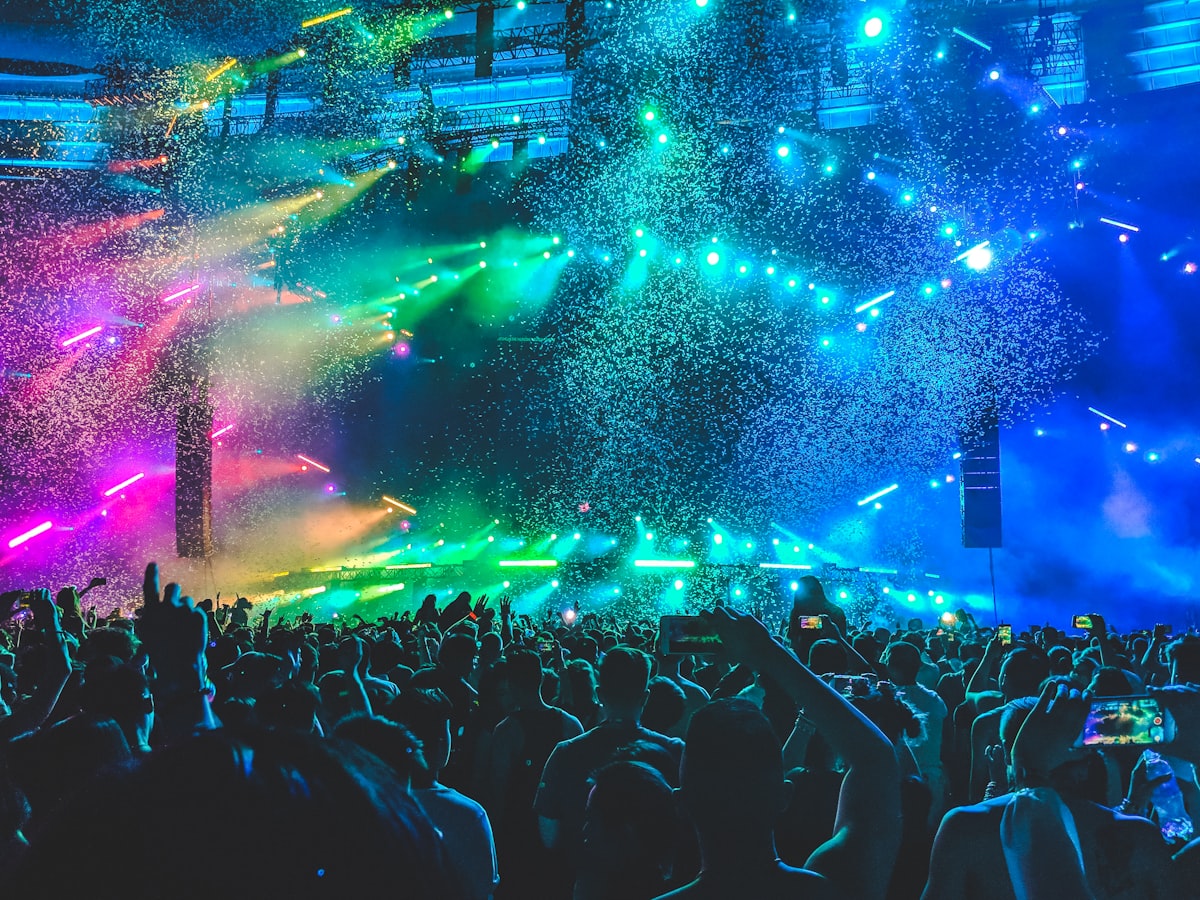
The cultural of the American capital has been thrown into turmoil following the sudden shuttering of the John F. Kennedy Center for the Performing Arts. What began as an administrative announcement quickly snowballed into a mass public mobilization, with artists, patrons, and civic leaders occupying public spaces to denounce what they characterize as an act of political vandalism. Rumors of impending structural demolition have galvanized a diverse coalition determined to protect one of the nation's premier monuments to the arts from executive overreach. At the core of this confrontation lies a bitter ideological struggle over public monuments, institutional autonomy, and cultural heritage in a polarized republic. The administration’s quiet moves to restrict access and initiate architectural assessments are viewed by critics as a direct assault on independent cultural spaces that do not conform to partisan orthodoxies. Institutional resistance from within the center's boards and staff has met with swift administrative retaliation, paralyzing normal operations and locking out public programming that has defined Washington arts for decades. The tangible outcome of these mass protests is an escalating legal and political war of attrition that will likely land before federal judges. If the administration succeeds in dismantling or downsizing the institution, it will set a dangerous precedent for the vulnerability of federally supported cultural bodies to shifting political whims. Conversely, a successful resistance movement will enshrine new legal protections for public arts institutions, insulating them from executive interference for generations to come.
Comments 0