Pune Records Surge in Dengue Cases, Four Wards Account for Half
The city of Pune reported its highest monthly dengue tally for October, with four neighborhoods responsible for fifty percent of the infections. Health officials warn that the outbreak could strain hospital capacity and necessitate intensified vector‑control measures.
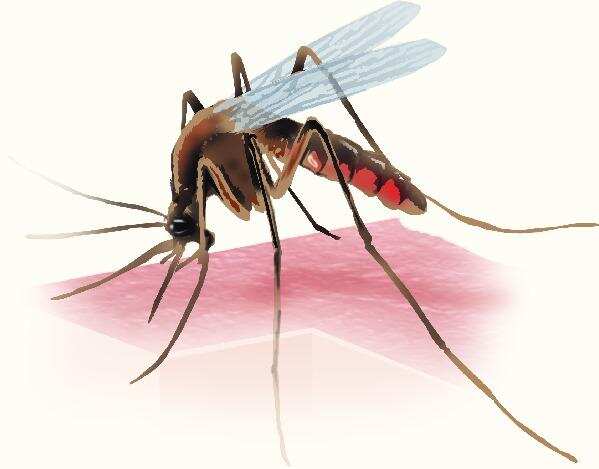
The municipal health department released data indicating that dengue fever cases rose sharply in October, surpassing previous records for the month. Of the total infections, the wards of Kothrud, Shivaji Nagar, Hadapsar and Baner together accounted for half of the reported patients. Hospitals across the city reported an influx of febrile patients, prompting the activation of emergency response protocols and the allocation of additional beds in intensive care units. The spike follows a period of heavy monsoon rains that created breeding sites for the Aedes mosquito.
The surge exposes systemic weaknesses in urban sanitation and public‑health outreach. Municipal crews have struggled to eliminate standing water in densely populated areas, while community awareness campaigns have been unevenly distributed. Experts point to gaps in coordinated vector‑control strategies, noting that delayed fogging operations and insufficient larvicide application have allowed mosquito populations to flourish. The health department has now launched a targeted campaign, deploying rapid‑response teams to the most affected wards and distributing insecticide‑treated nets to vulnerable households.
If the trend continues, the city could face a prolonged health crisis that overwhelms its medical infrastructure. The outbreak may also impact economic activity, as businesses in the hardest‑hit neighborhoods experience reduced foot traffic and absenteeism. Long‑term, the episode could catalyze policy reforms aimed at improving drainage systems, enhancing waste‑collection efficiency, and strengthening community participation in disease‑prevention efforts.
Comments 0