Pune streets grind to a halt as police suspend fines and towing services
The sudden withdrawal of traffic challans, towing, and police presence at intersections has plunged Pune into gridlock, disrupting commuter routines and commercial activity. The chaos has sparked public outcry and raised questions about municipal resource allocation.
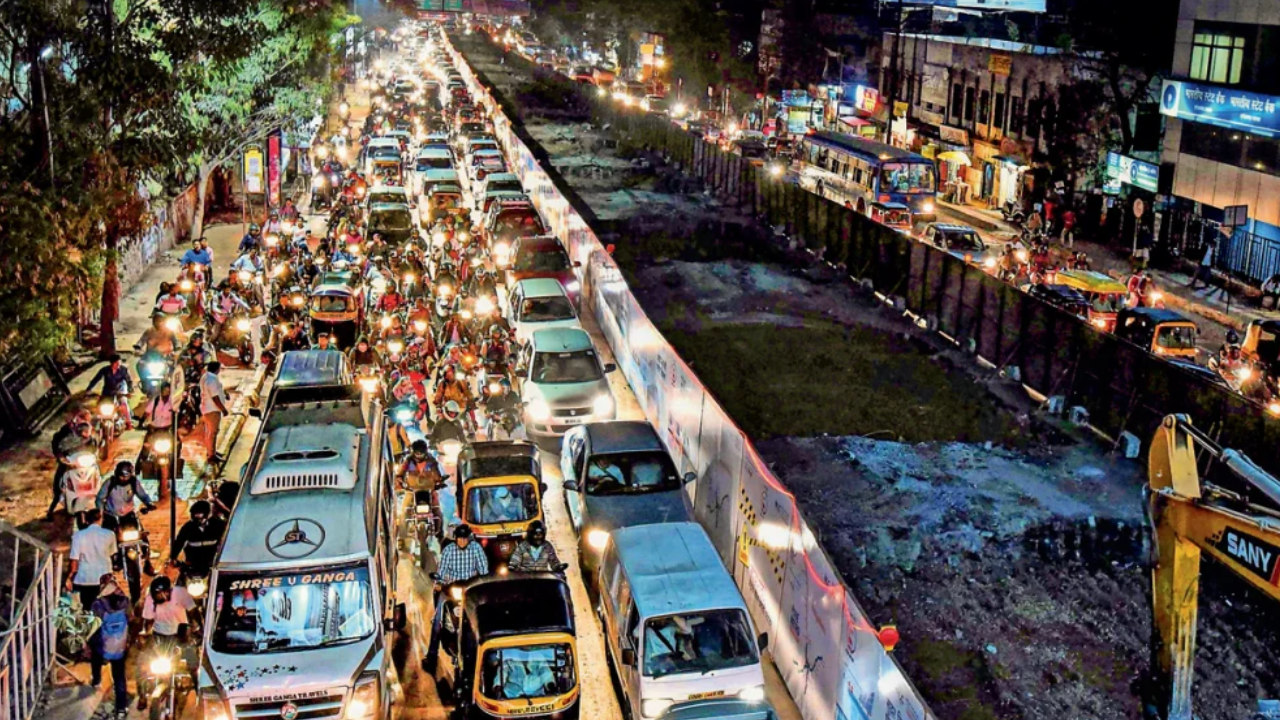
On a typical weekday, commuters in Pune expected the usual rhythm of traffic enforcement: fines for violations, prompt towing of illegally parked vehicles, and police officers directing flow at busy chowks. Instead, an abrupt policy shift left these mechanisms absent, resulting in a cascade of stalled vehicles, clogged arteries, and frustrated drivers navigating a city unaccustomed to such disorder. The immediate impact was palpable: delivery trucks were delayed, school buses ran late, and the city’s economic pulse slowed as businesses reported reduced footfall.
The underlying tension stems from a decision by municipal authorities to reallocate police personnel to other duties, citing staffing constraints and a strategic focus on crime prevention. Critics argue that the move reflects a miscalculation of the essential role traffic enforcement plays in urban mobility, while officials maintain that the temporary suspension was intended to test alternative crowd‑management strategies. The episode has ignited a debate over the balance between law‑enforcement priorities and the everyday needs of a rapidly expanding metropolis.
In the aftermath, city officials have faced mounting pressure to restore traffic services, with local business chambers demanding compensation for lost revenue and commuters calling for transparent communication. The incident may prompt a reevaluation of resource distribution within the police force, potentially leading to the creation of a dedicated traffic unit insulated from other operational demands. Over the next twelve months, the city could see the adoption of technology‑driven traffic management solutions as a response to the demonstrated vulnerability of manual enforcement.
Comments 0